Coast, redwoods, tides and night sky.

June 2–6, 2027 · Brookings, Oregon
Oregon Coast & Redwoods Photography Workshop
Be in the Right Place When Oregon Comes Alive.
I’ll help you read a scene, build a deliberate composition and carry the photograph through editing, with only five other photographers in the field.
Maximum six photographers · Five days of field instruction$2,999 · Four nights of private-room lodging included
Reserve Your Spot2027 workshop status · 6 spots available
Have a little more time? Add three days photographing the Oregon Coast before the main workshop. Explore the 3-Day Oregon Coast Add-On
A complete field-to-finish experience
A small group so I can give you personal feedback.
Single-occupancy lodging included.
Weather and conditions determine when we go out.
The $2,999 workshop also includes editing instruction in the field, preparation before the trip and a recorded post-workshop Zoom session.
One corner of Oregon. Different worlds.
Same corner of Oregon.
Completely different photographs.
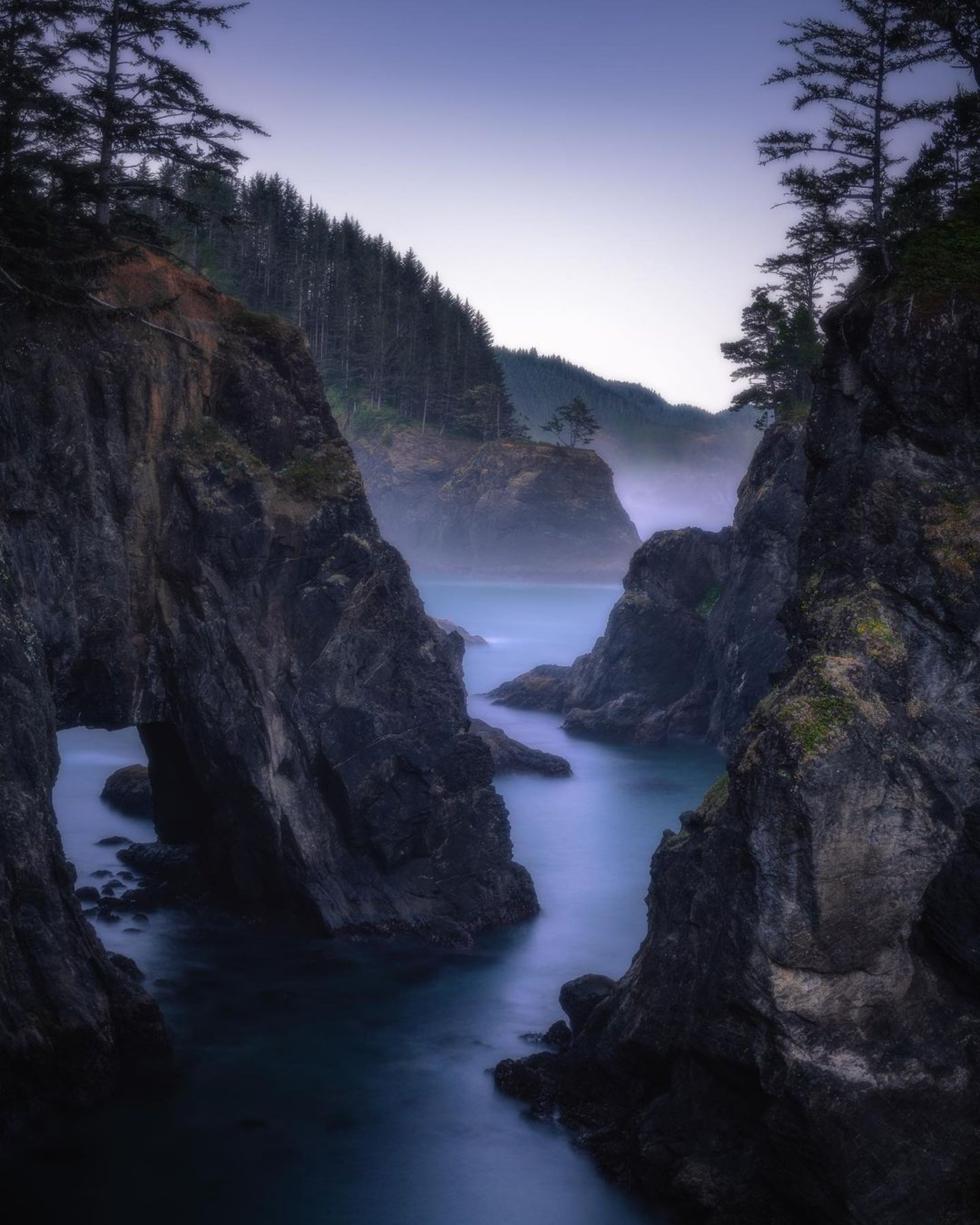
World 01
The Coast
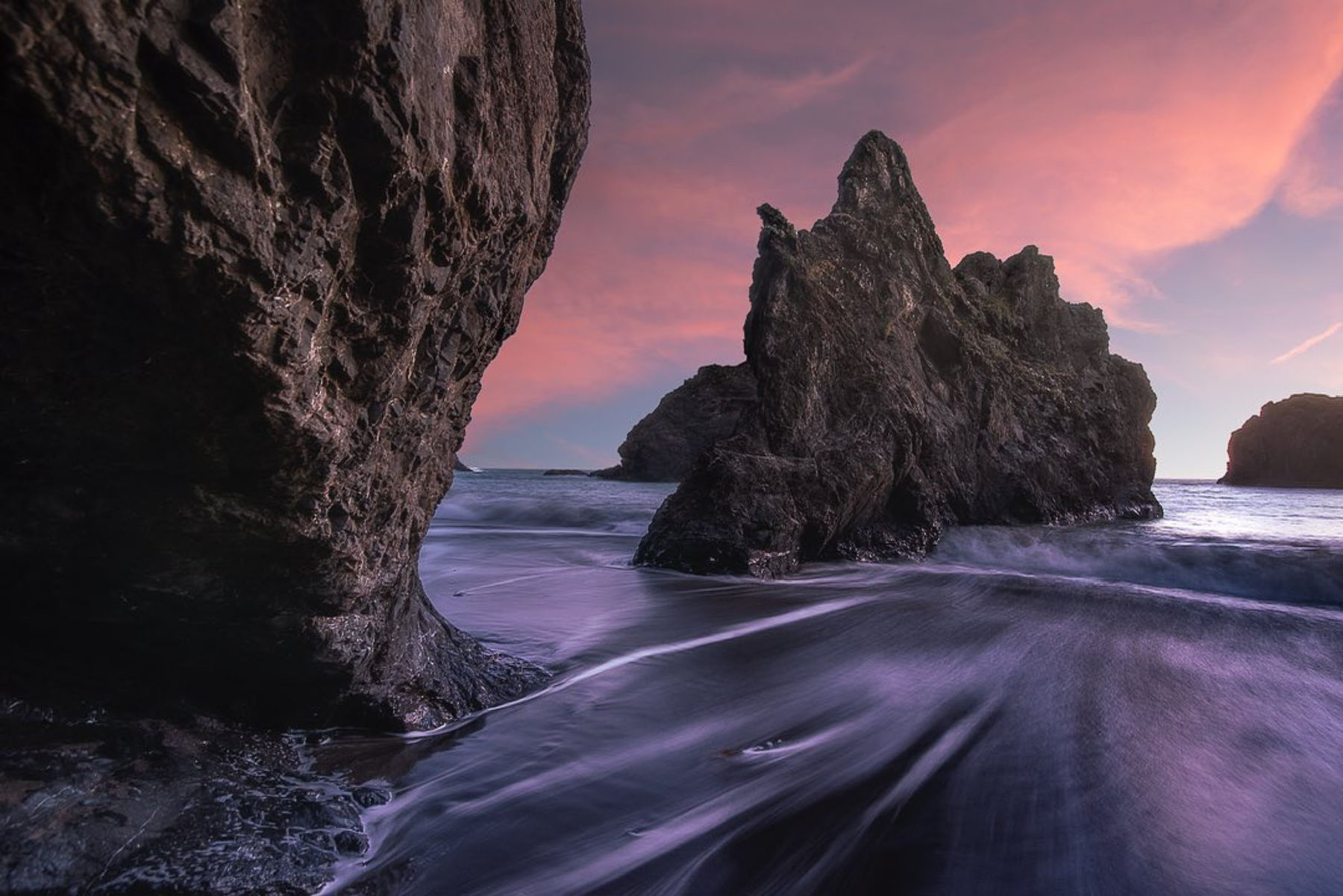
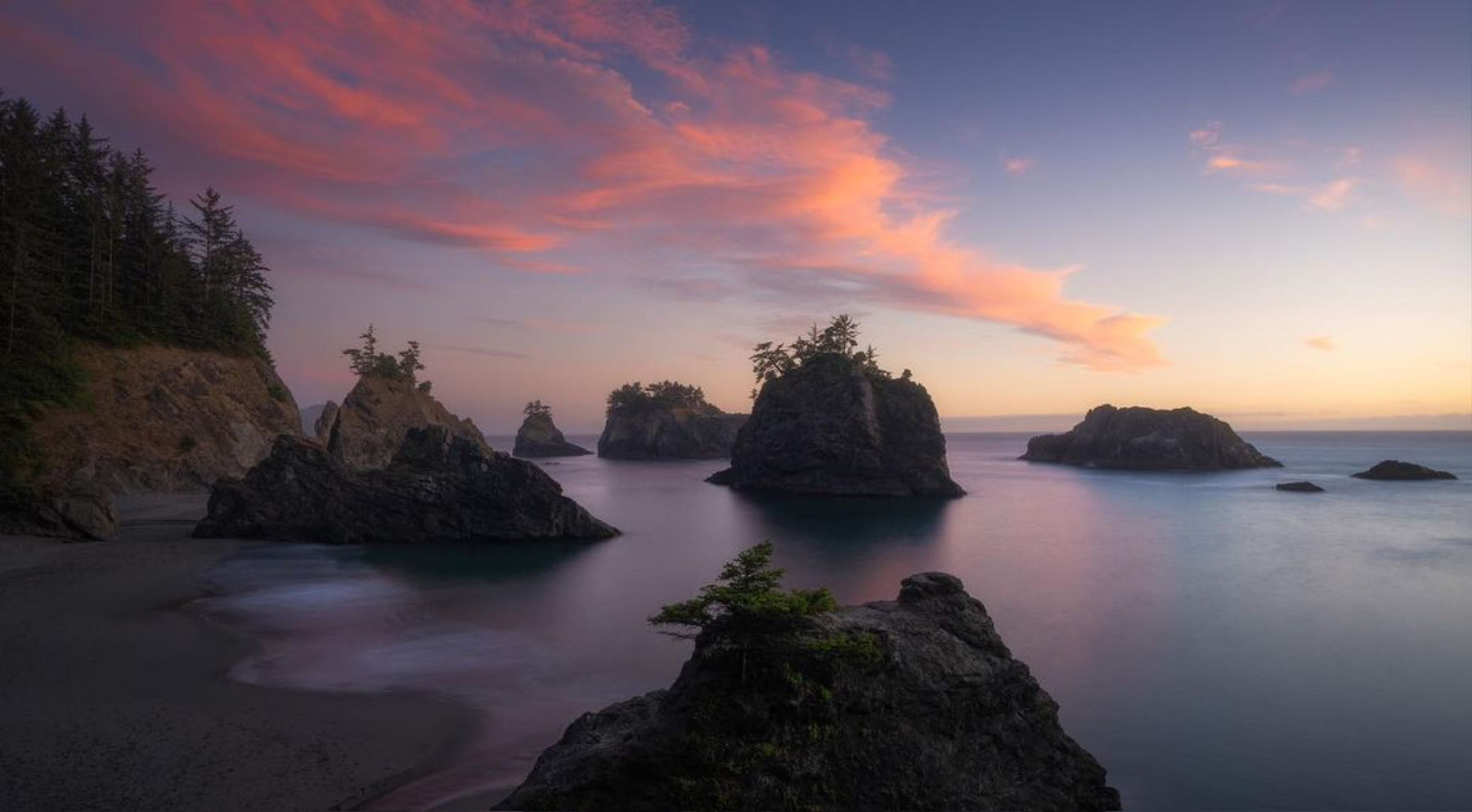
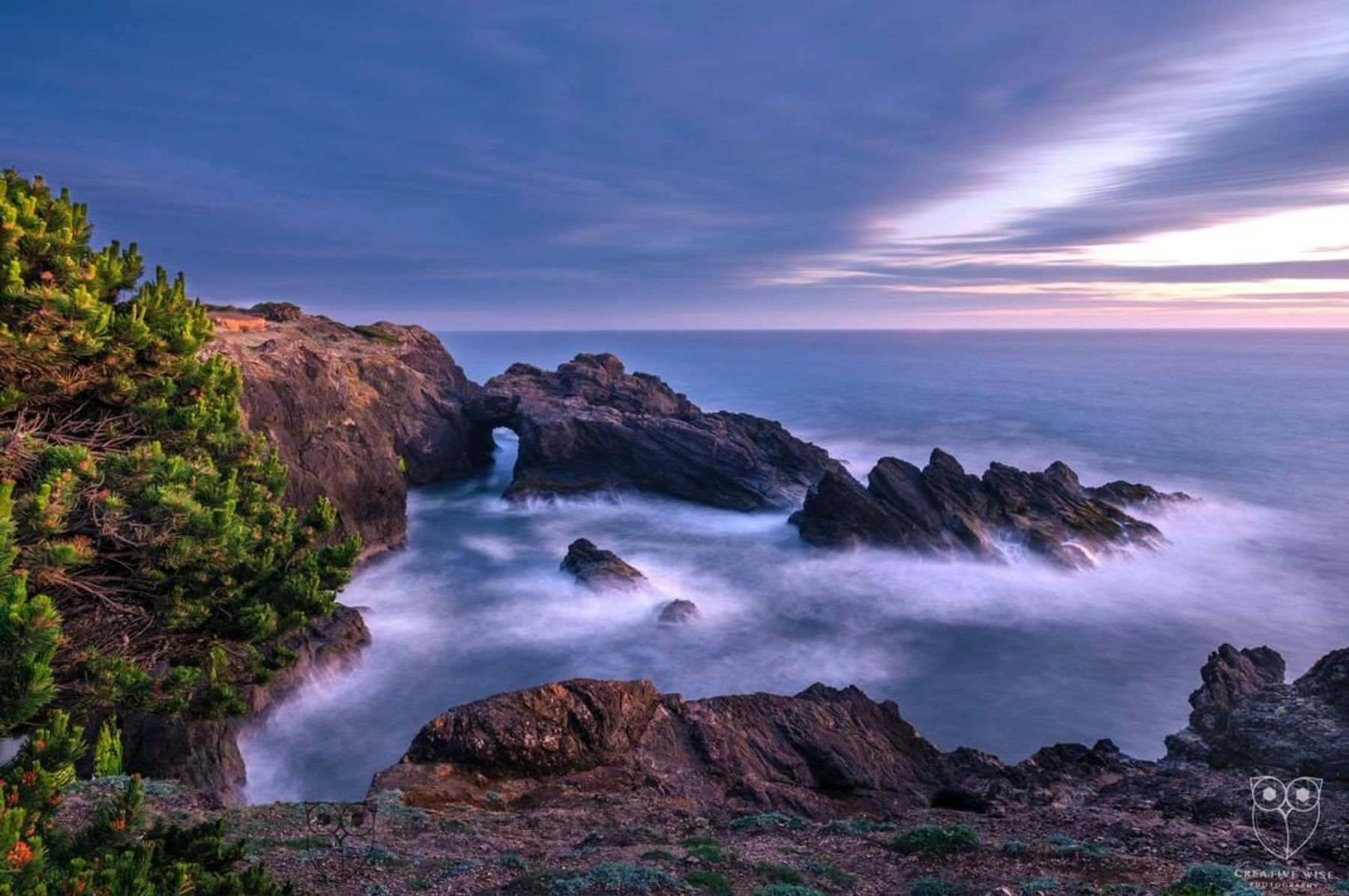
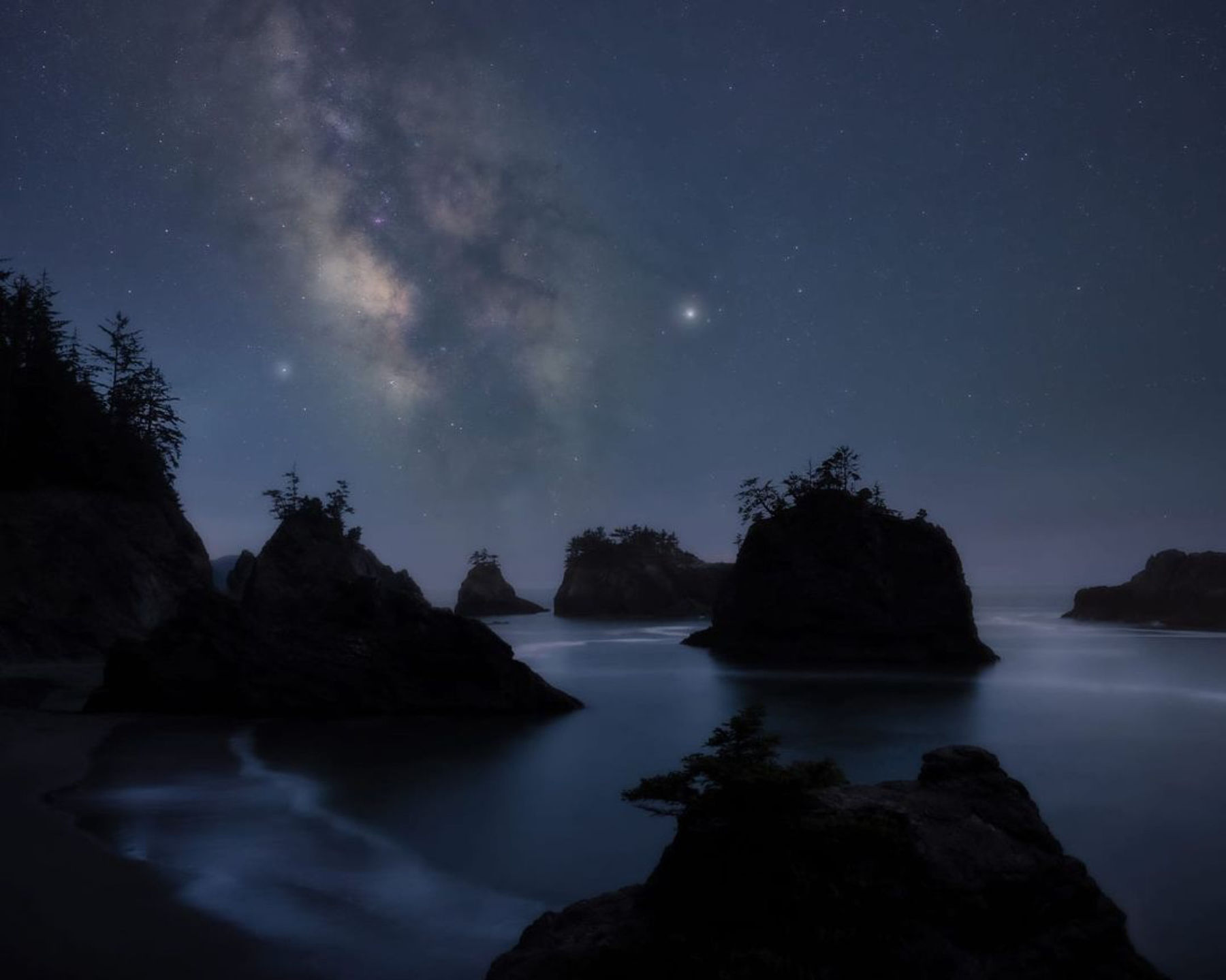
The Pacific meets the edge of Oregon in towering sea stacks, hidden beaches and a coastline that seems built for dramatic light.
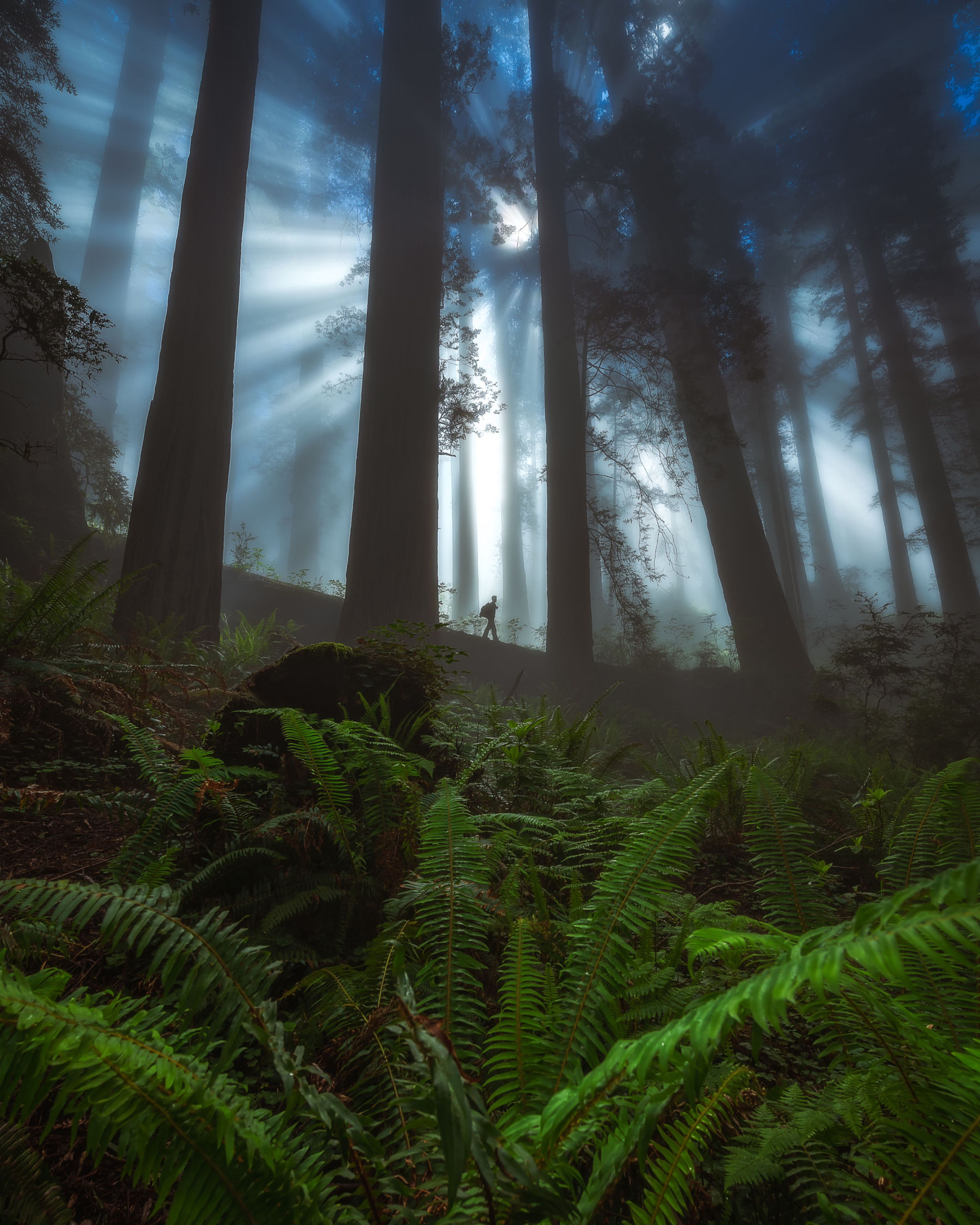
World 02
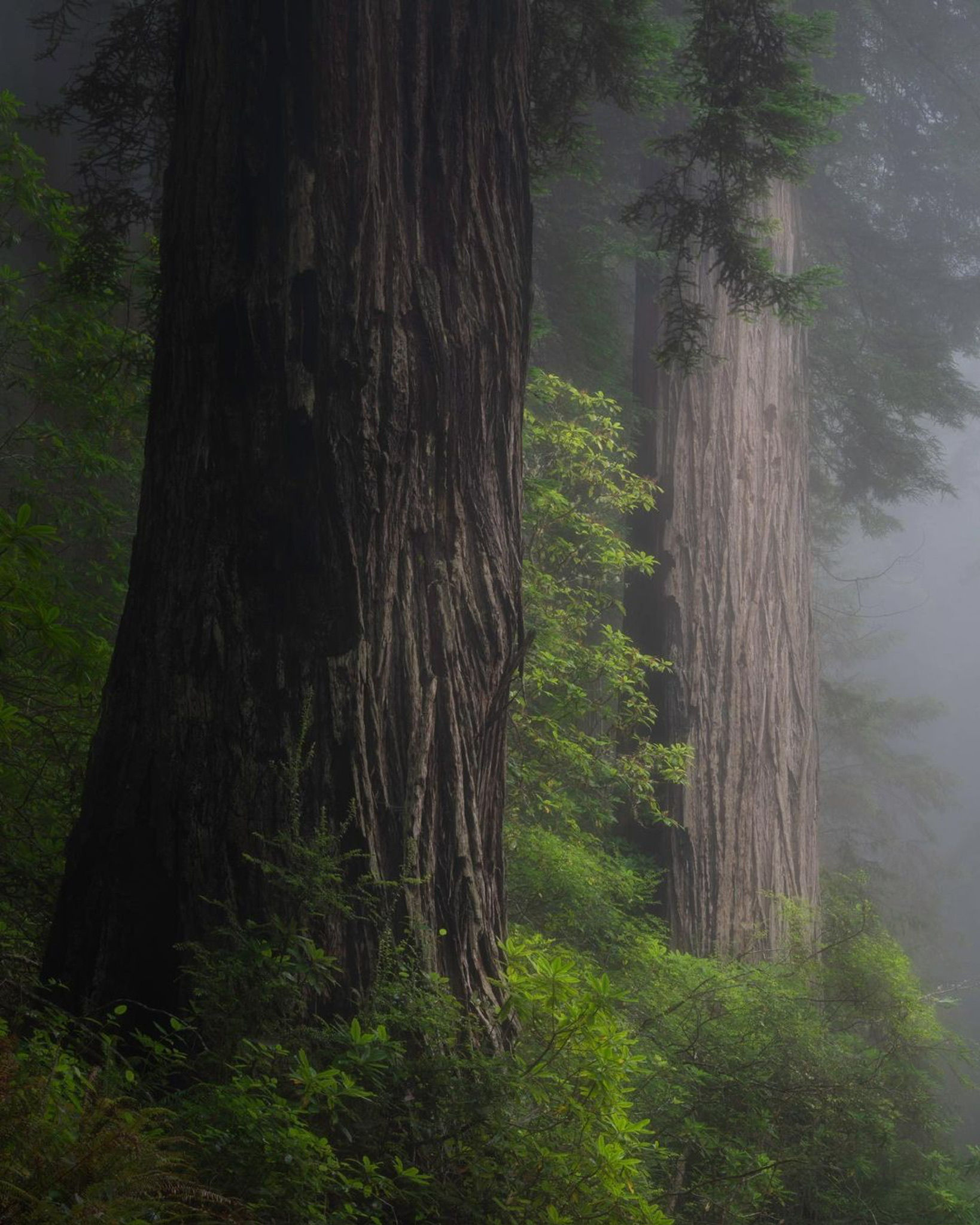
The Redwoods
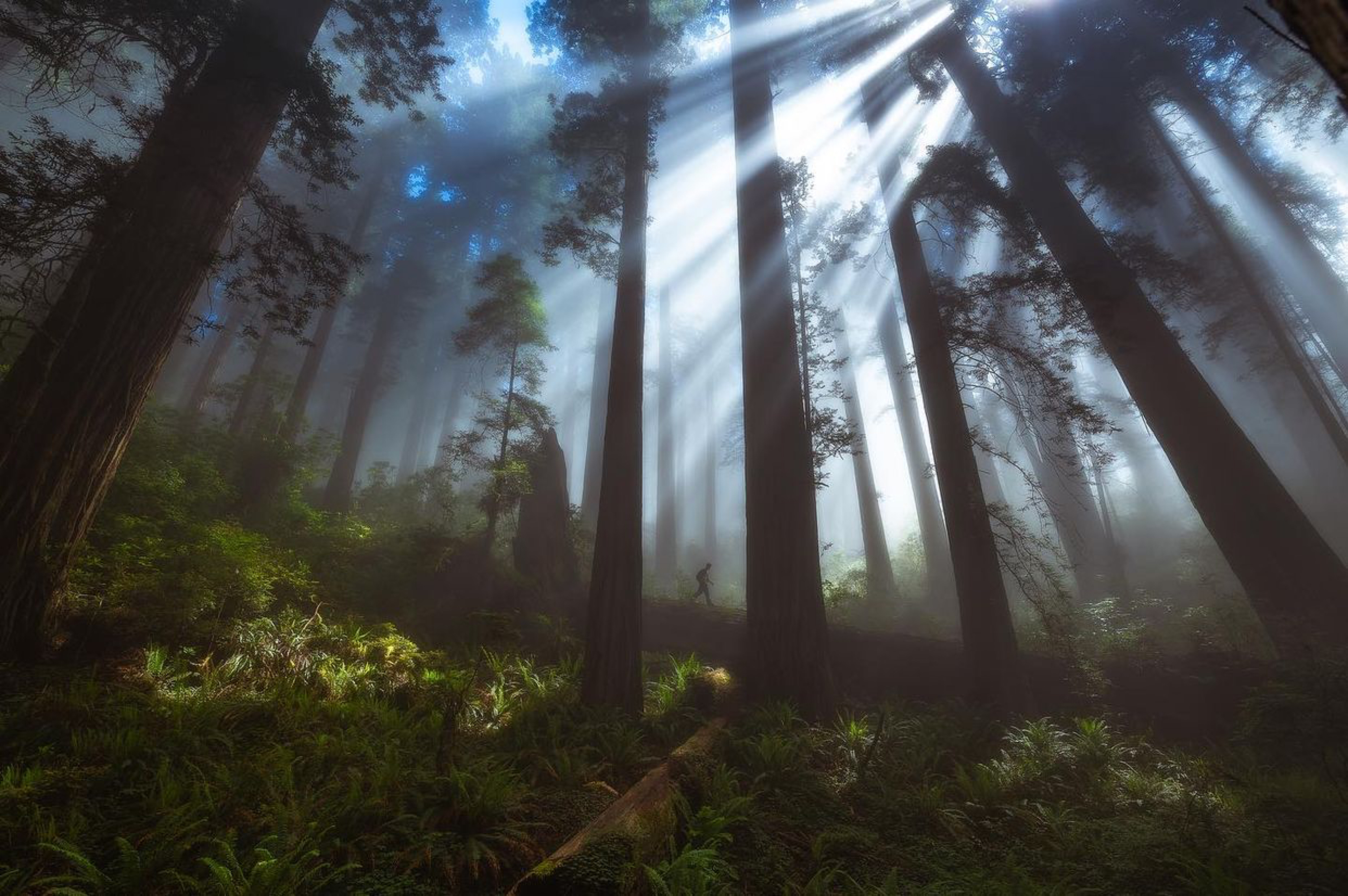
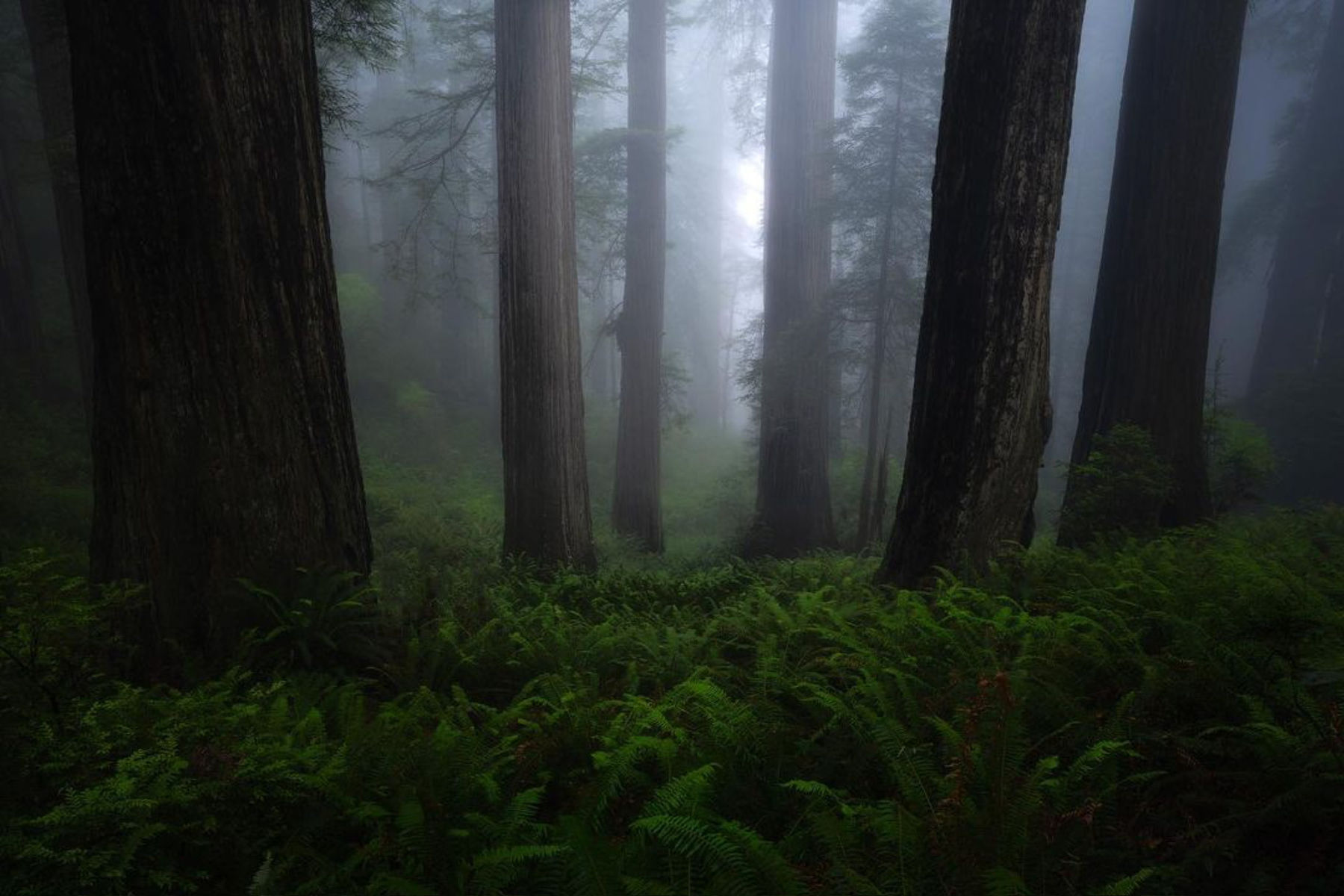
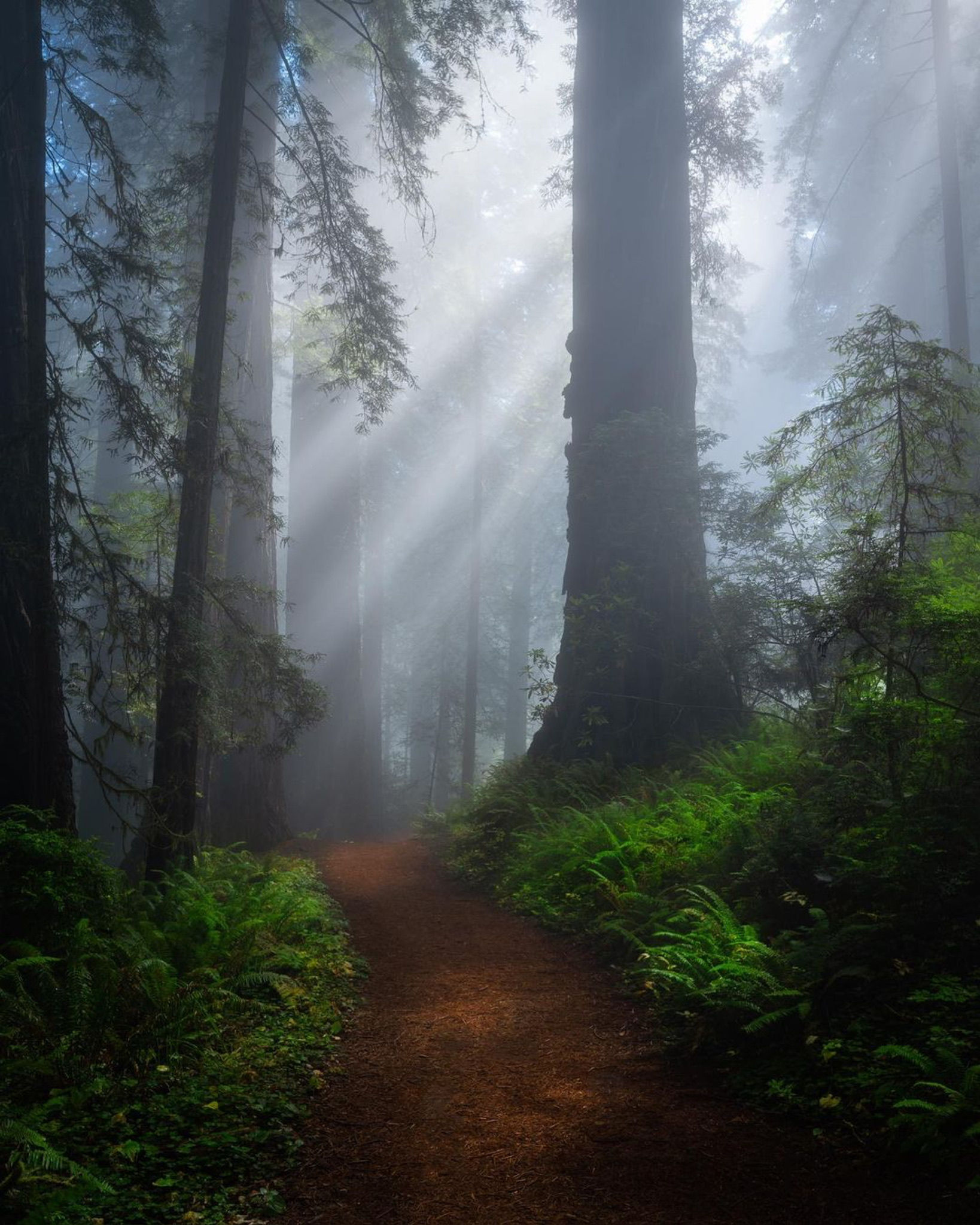
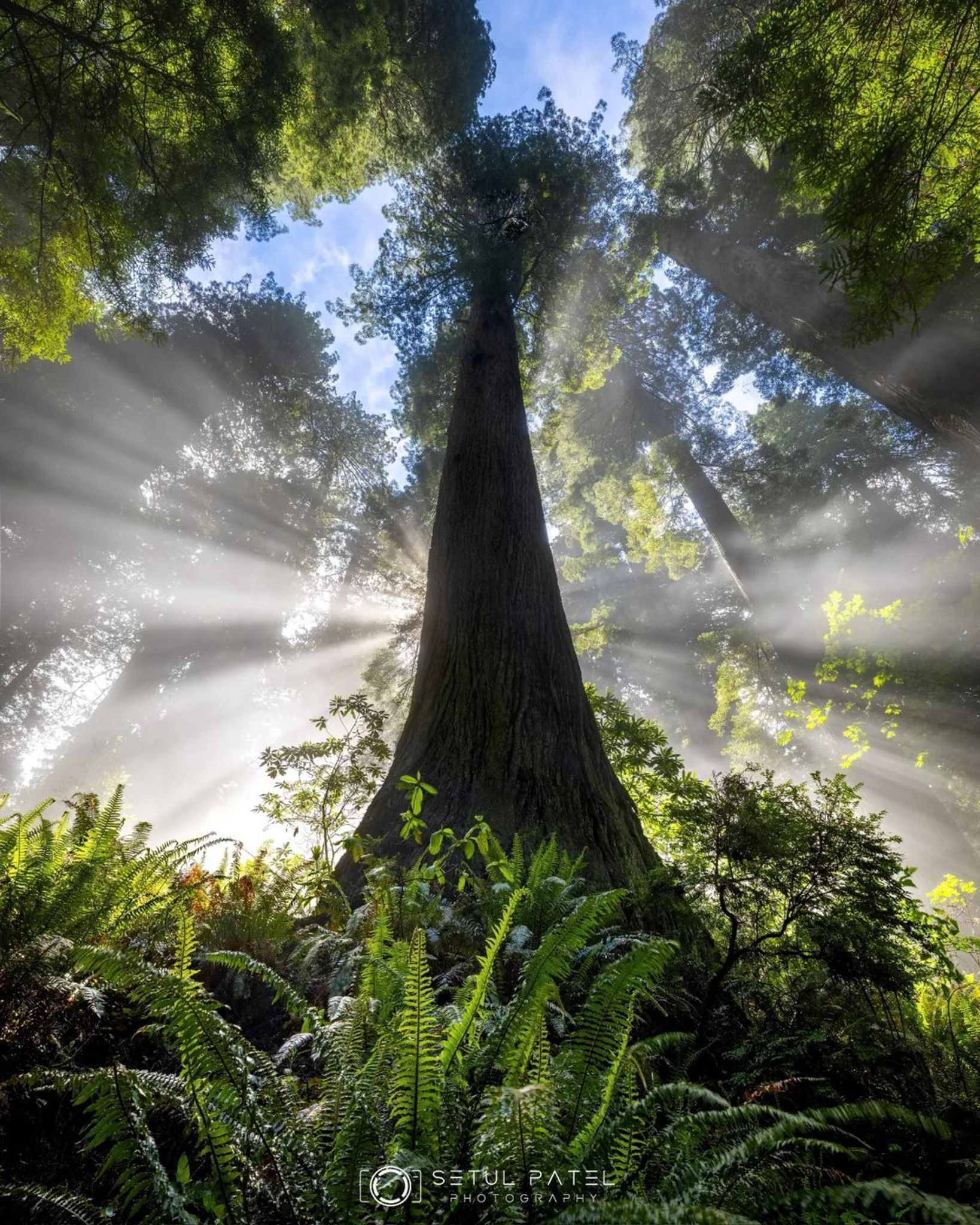
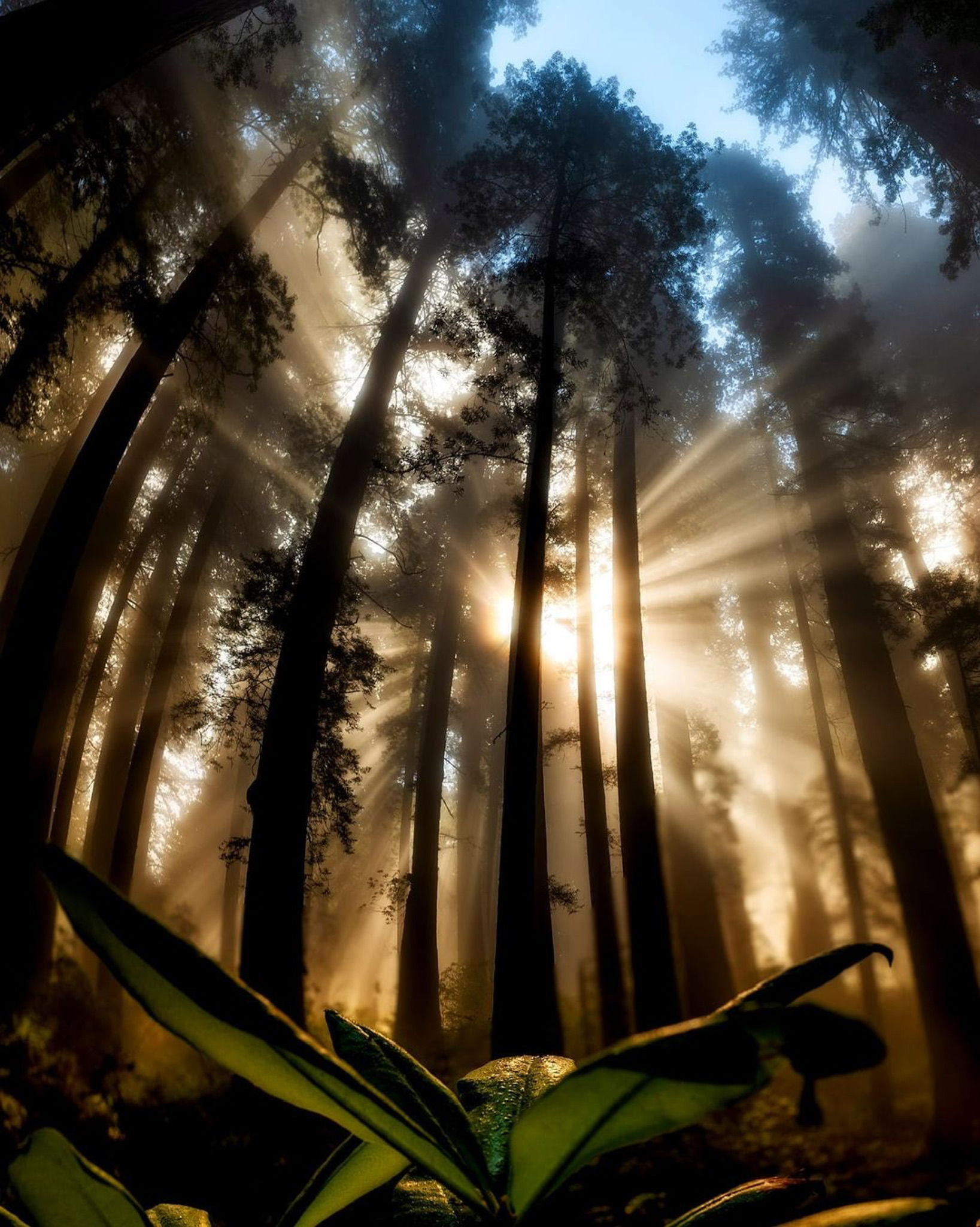
Where the coast meets the forest, the Pacific disappears beneath ancient redwoods, blooming rhododendrons and layers of green as fog drifts between trees that seem to disappear into the canopy.
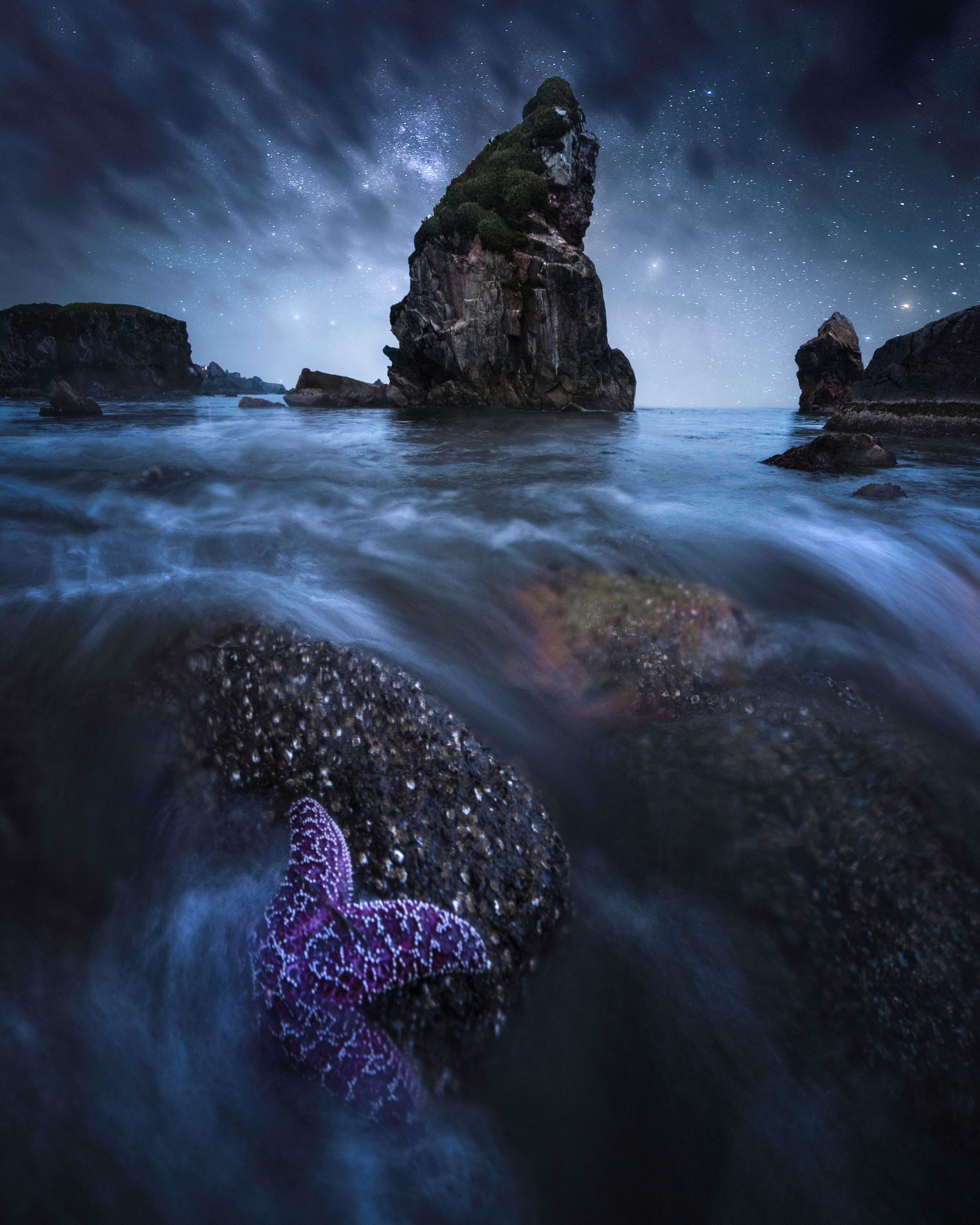
World 03
Between the Tides
When the water pulls back, another world appears at your feet: tide pools alive with starfish and anemones, reflections, color and endless foregrounds beneath the sea stacks.
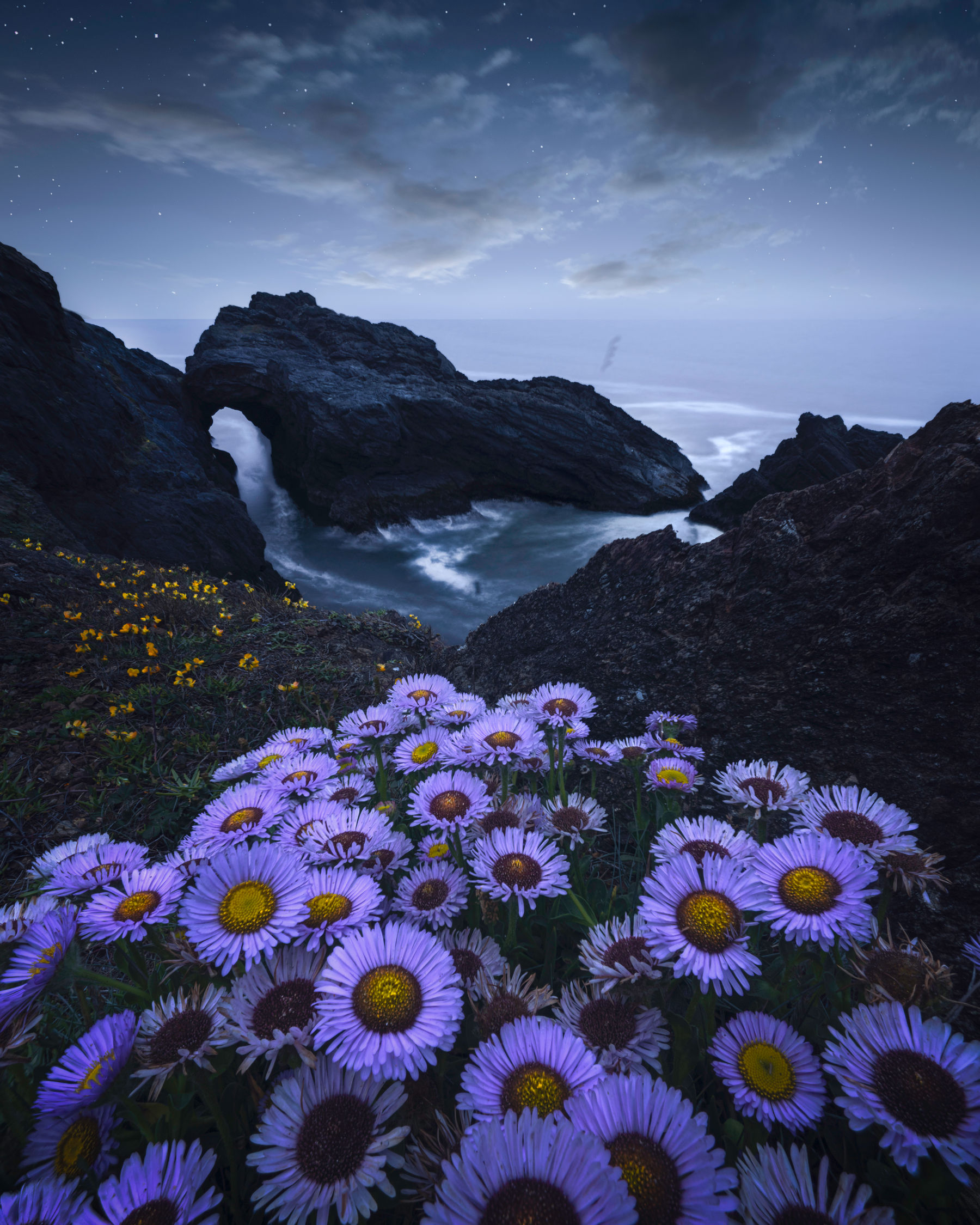
World 04
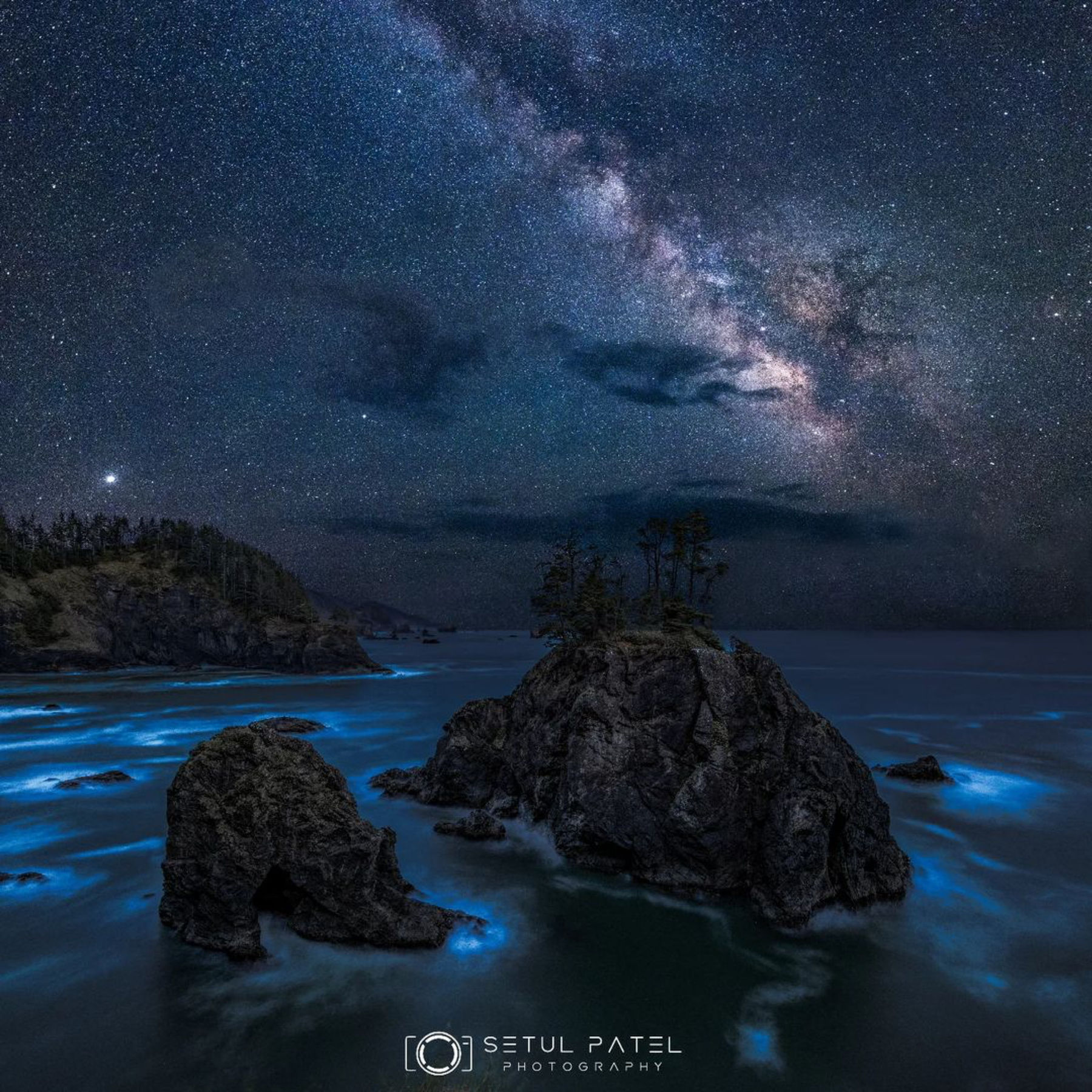
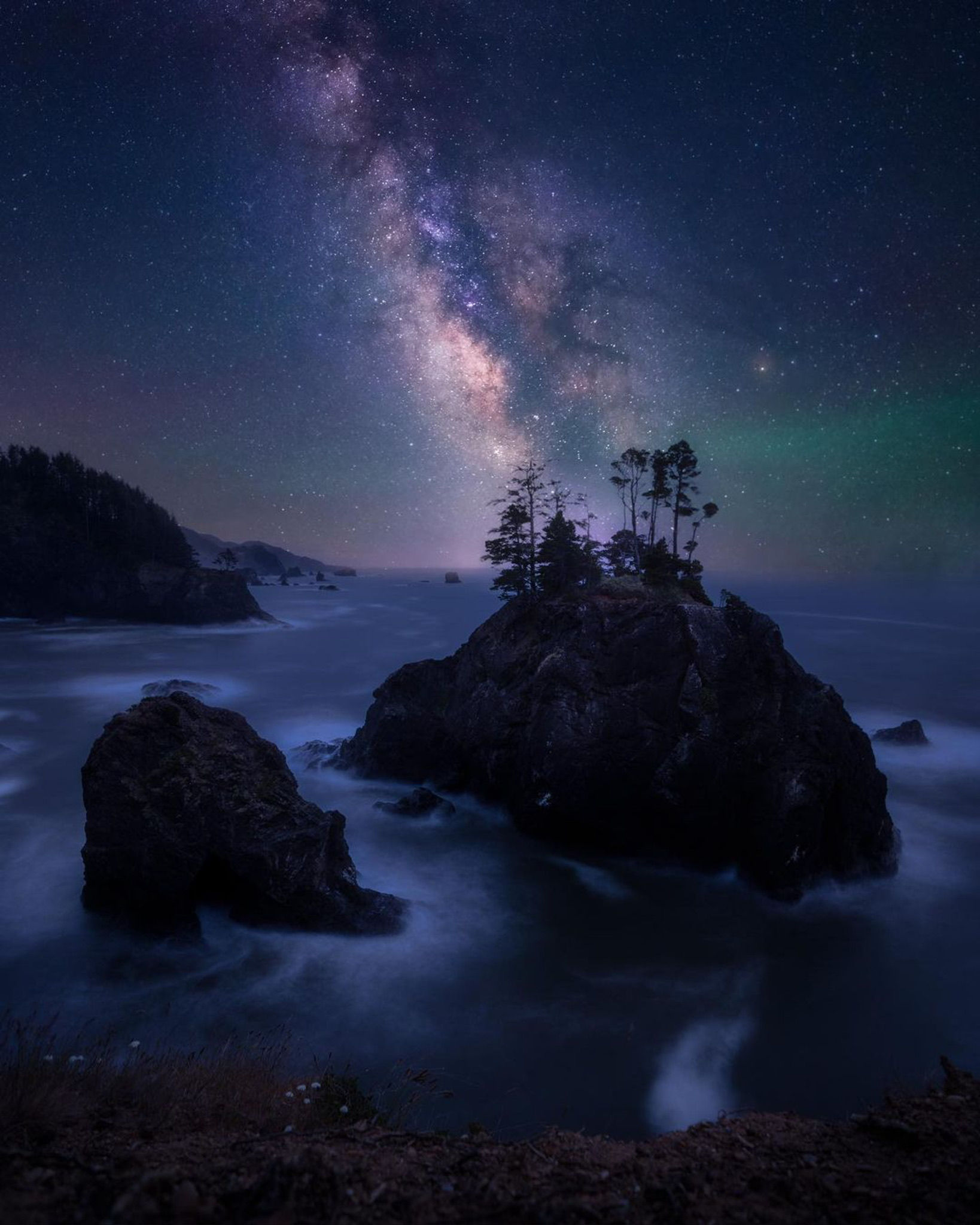
After Dark
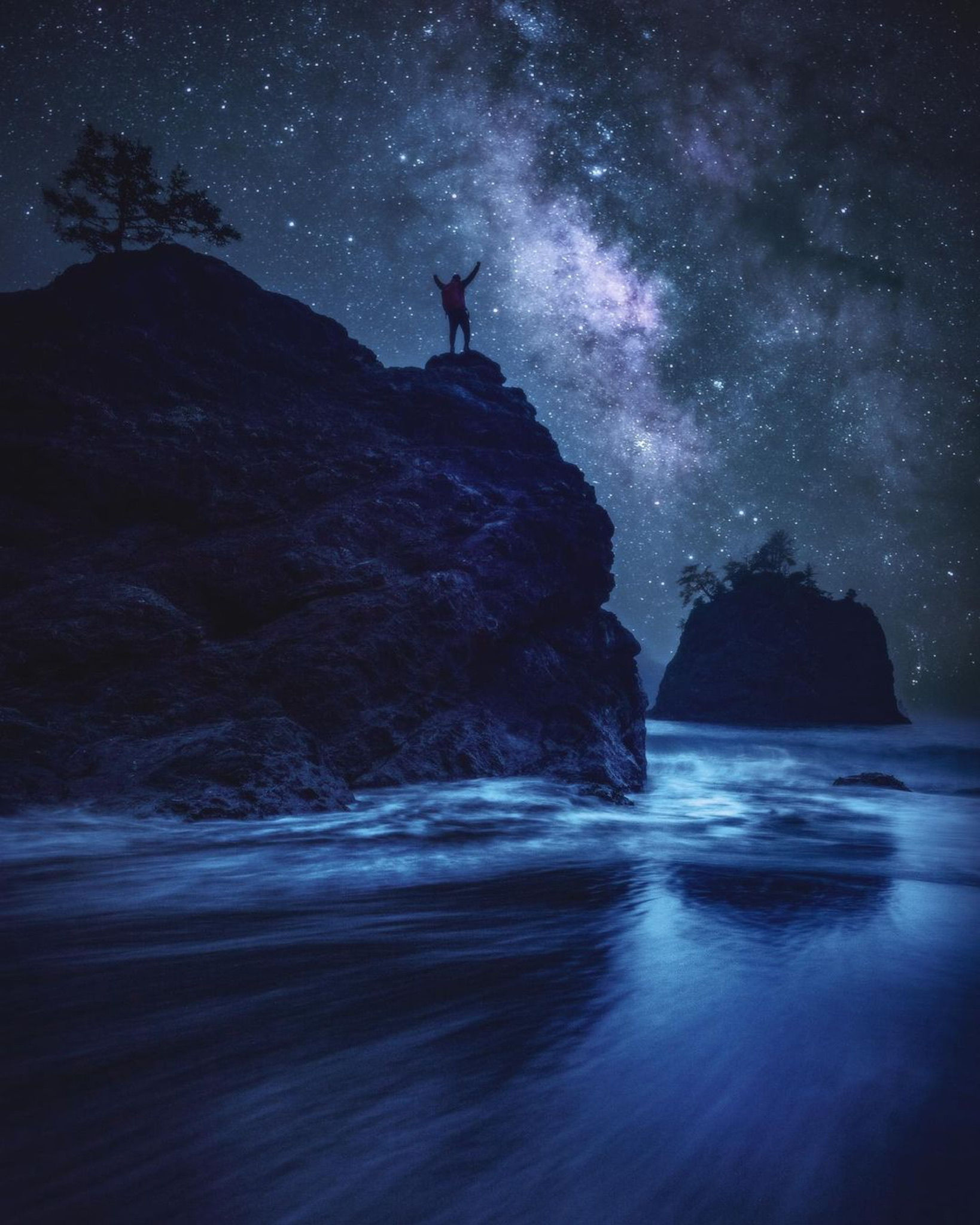
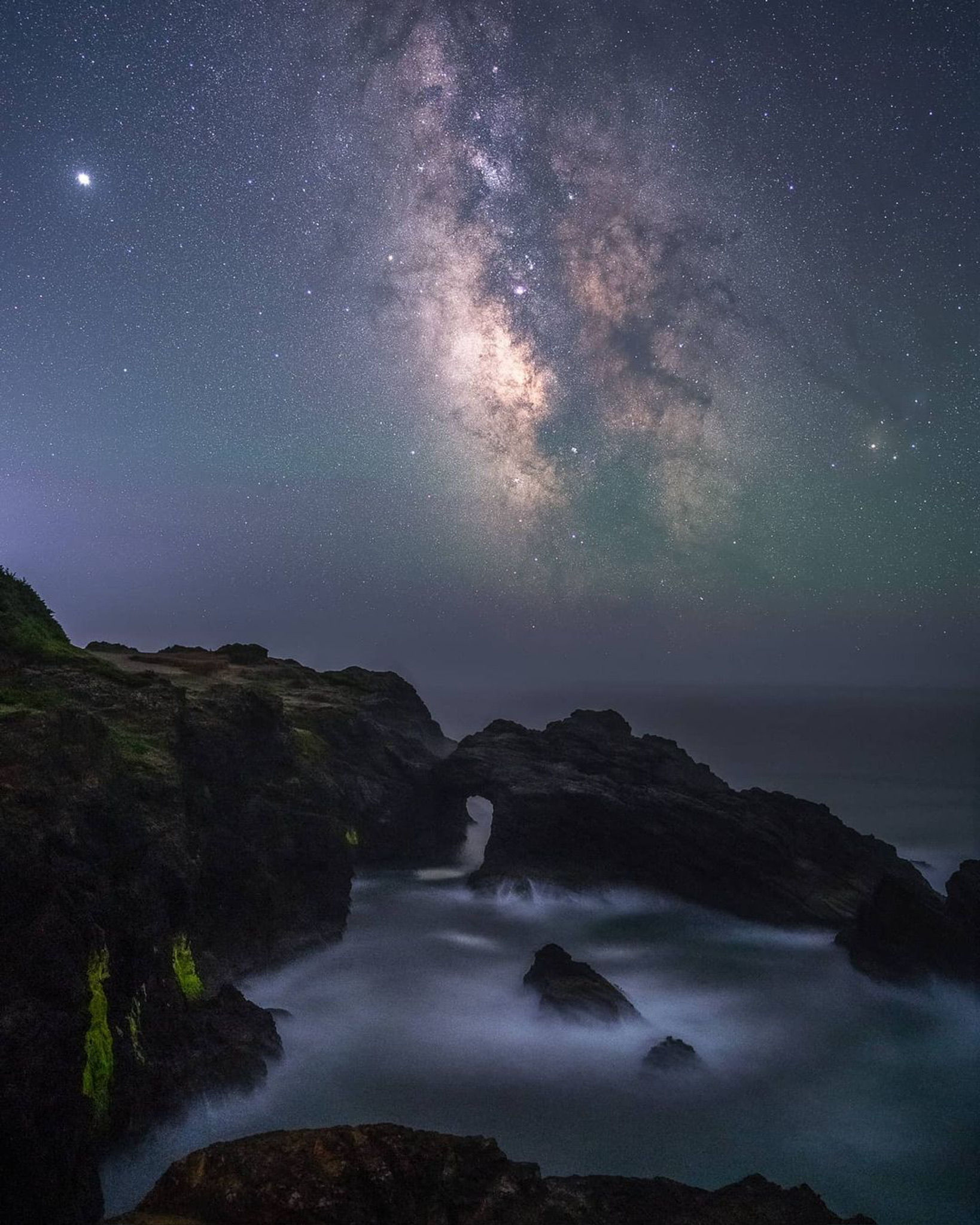
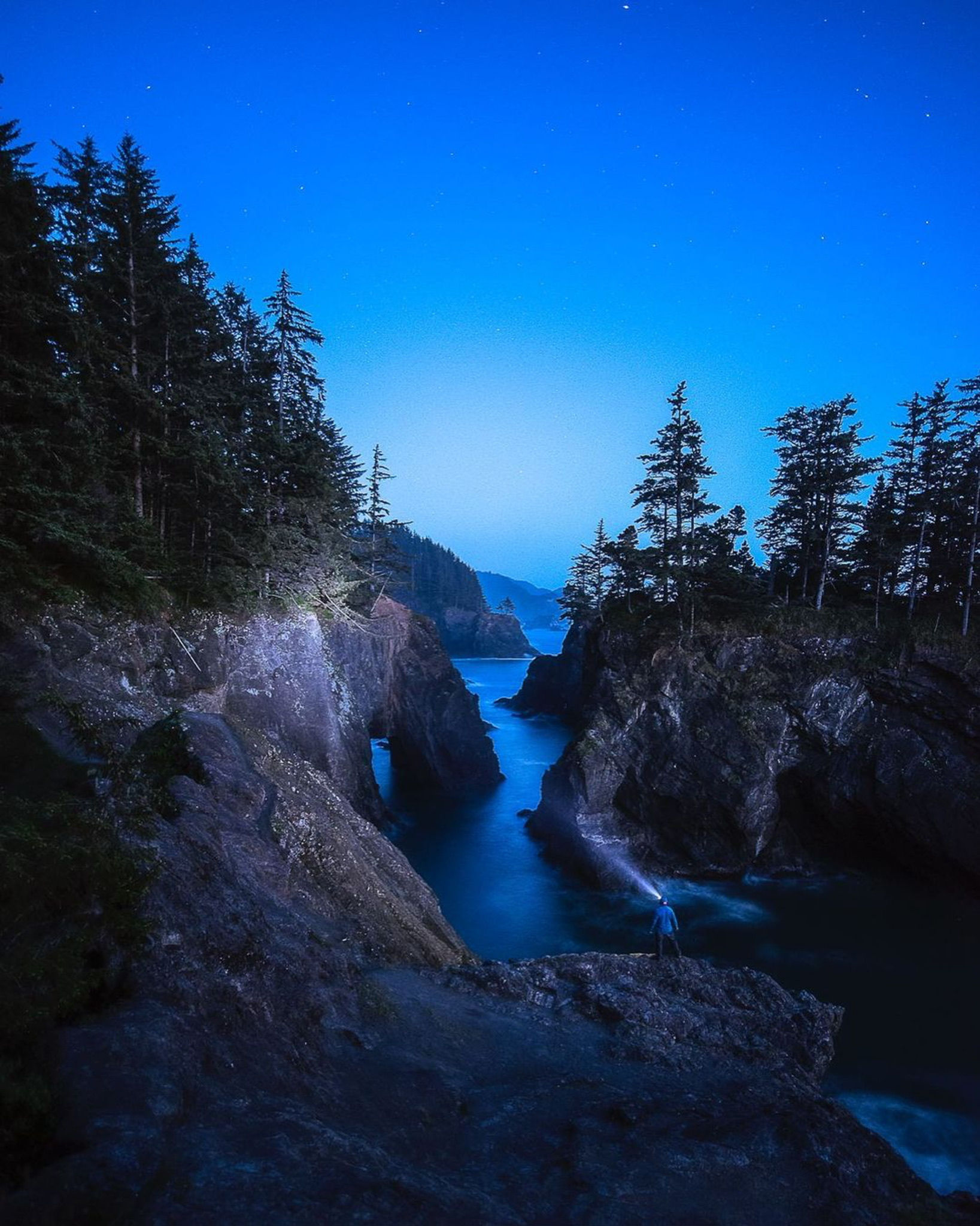
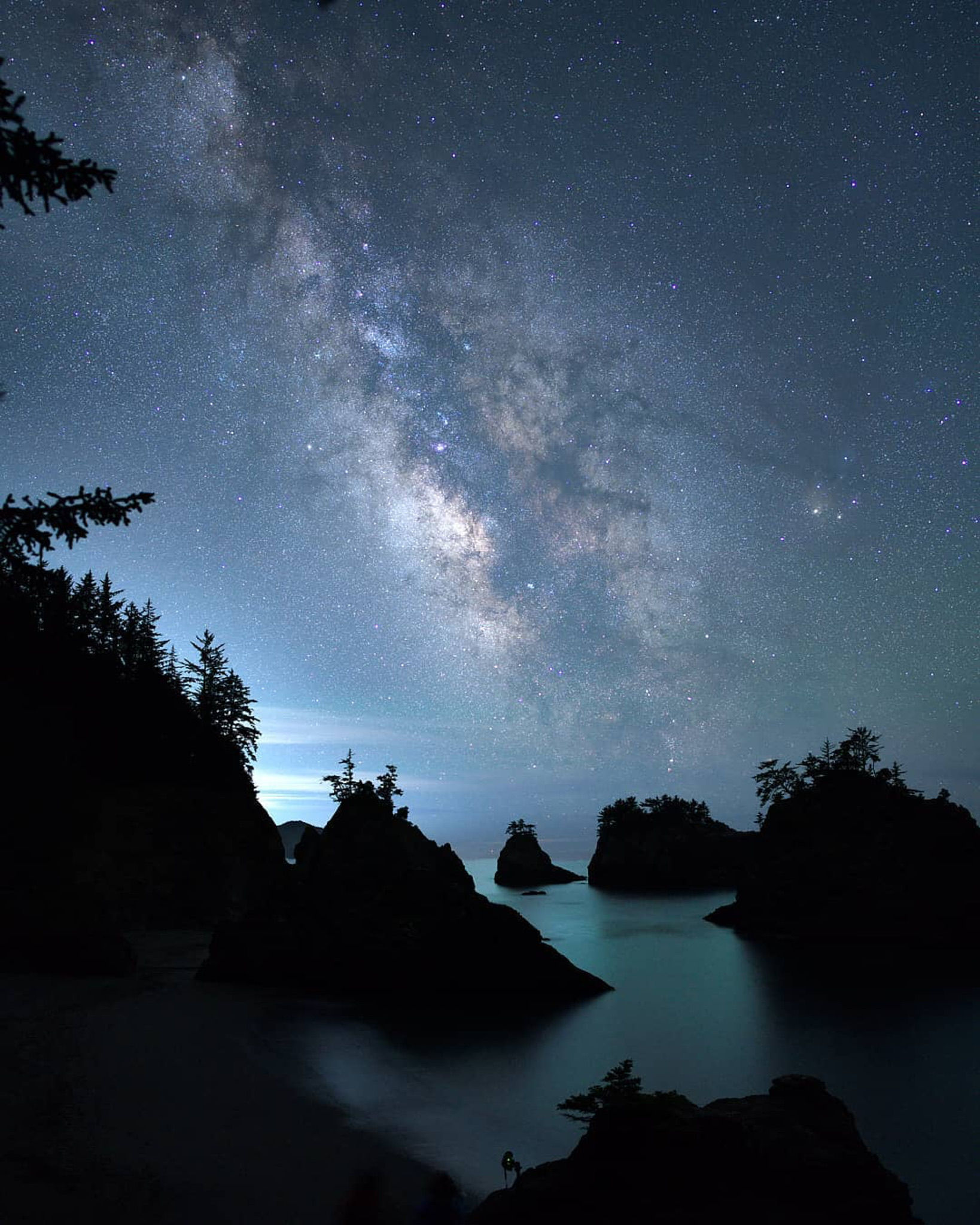
When daylight disappears, the coast becomes another world again. The Milky Way rises above a dark Pacific, towering over the same sea stacks you were photographing only hours before.
Photographs made by our students
This is what our students created in Oregon.
These photographs were made by people who came here to learn. See what they noticed, practiced and brought home.
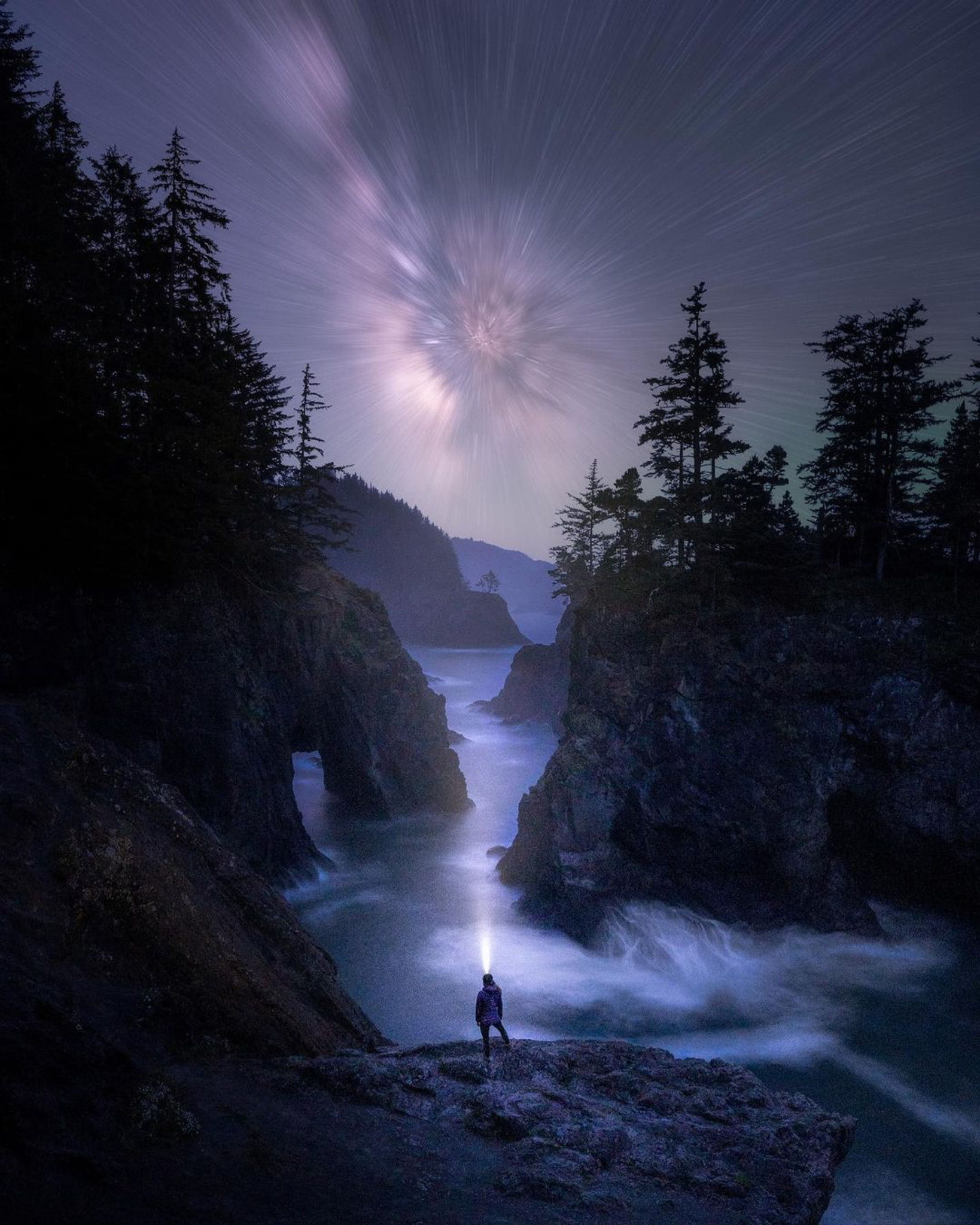
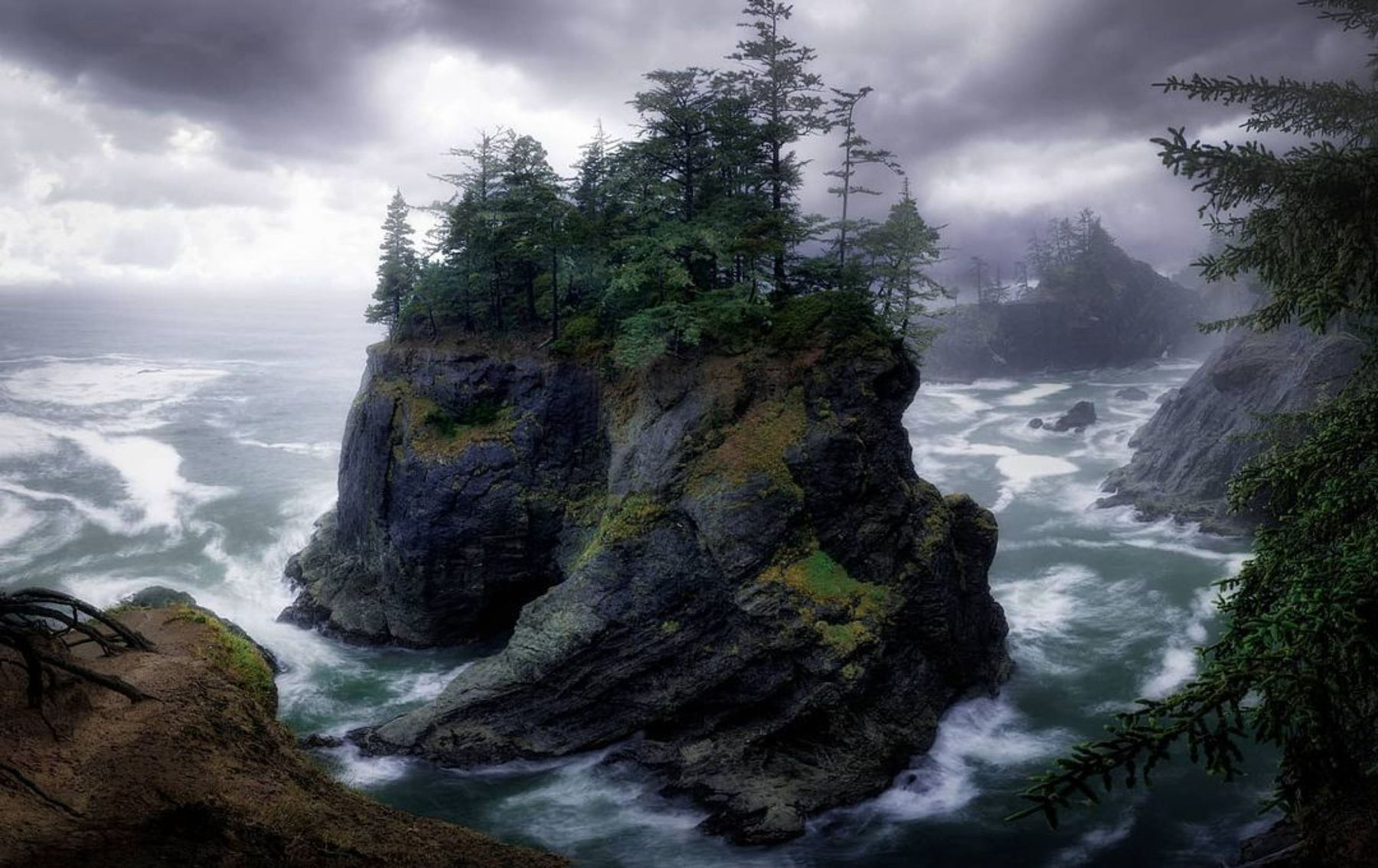
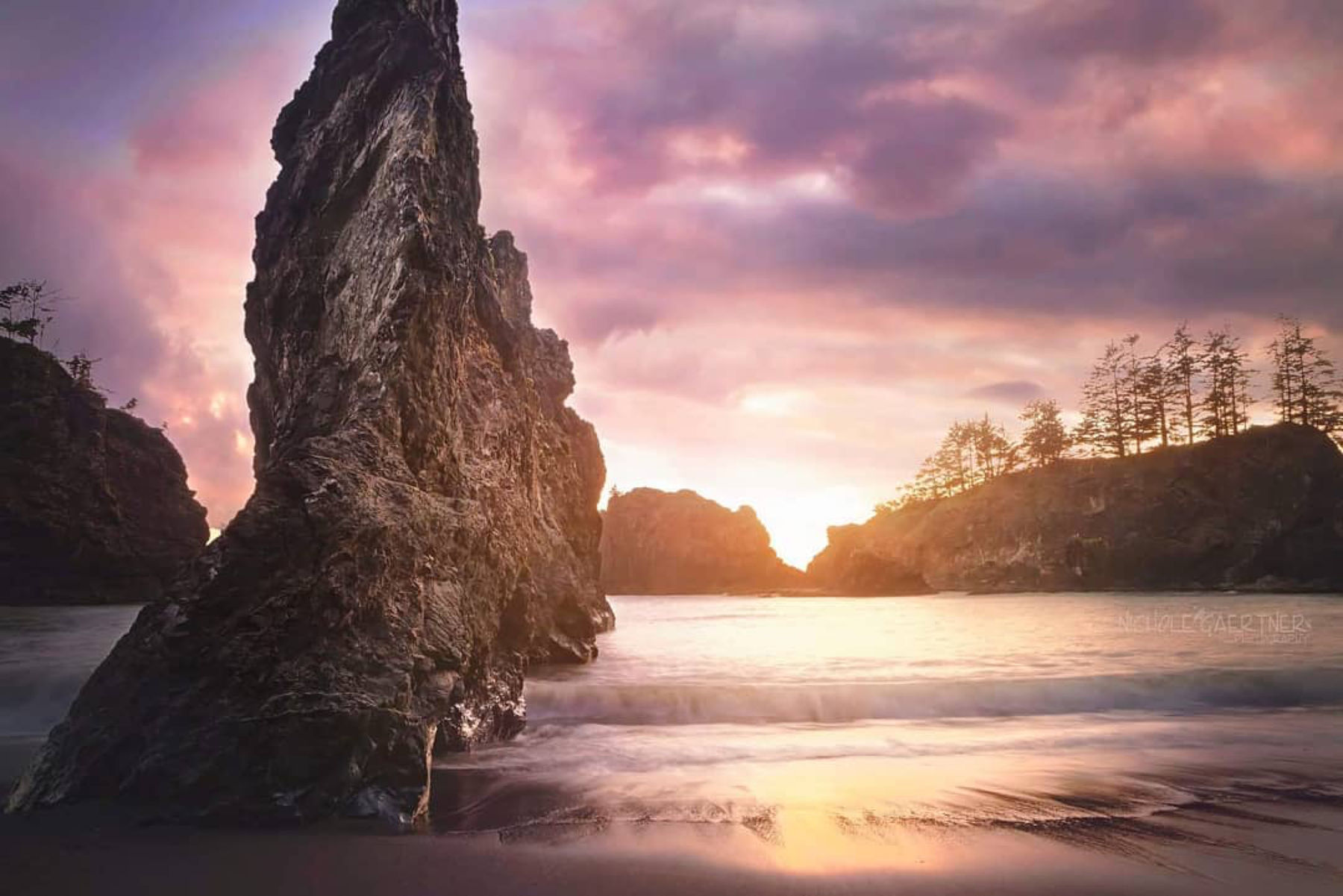
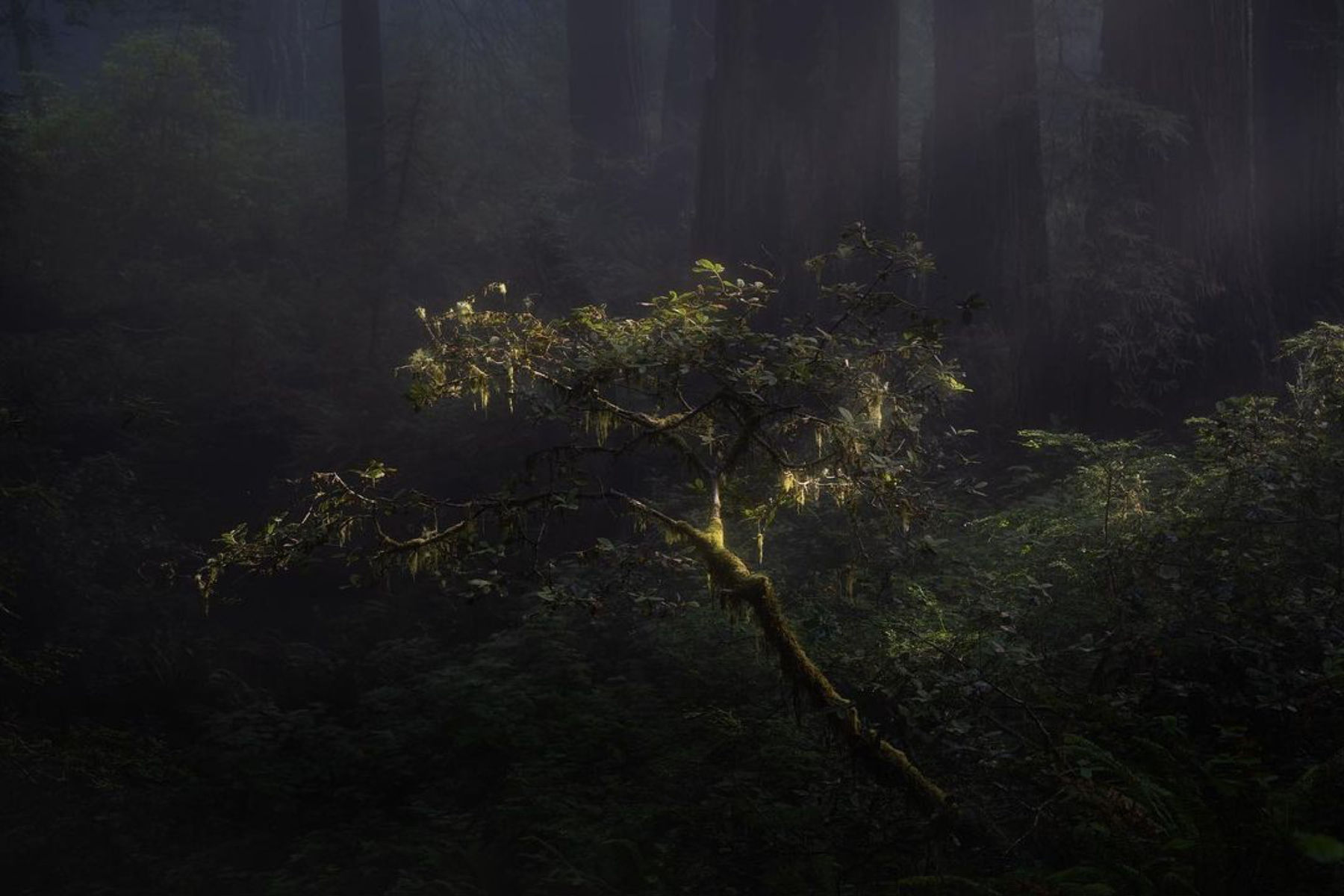
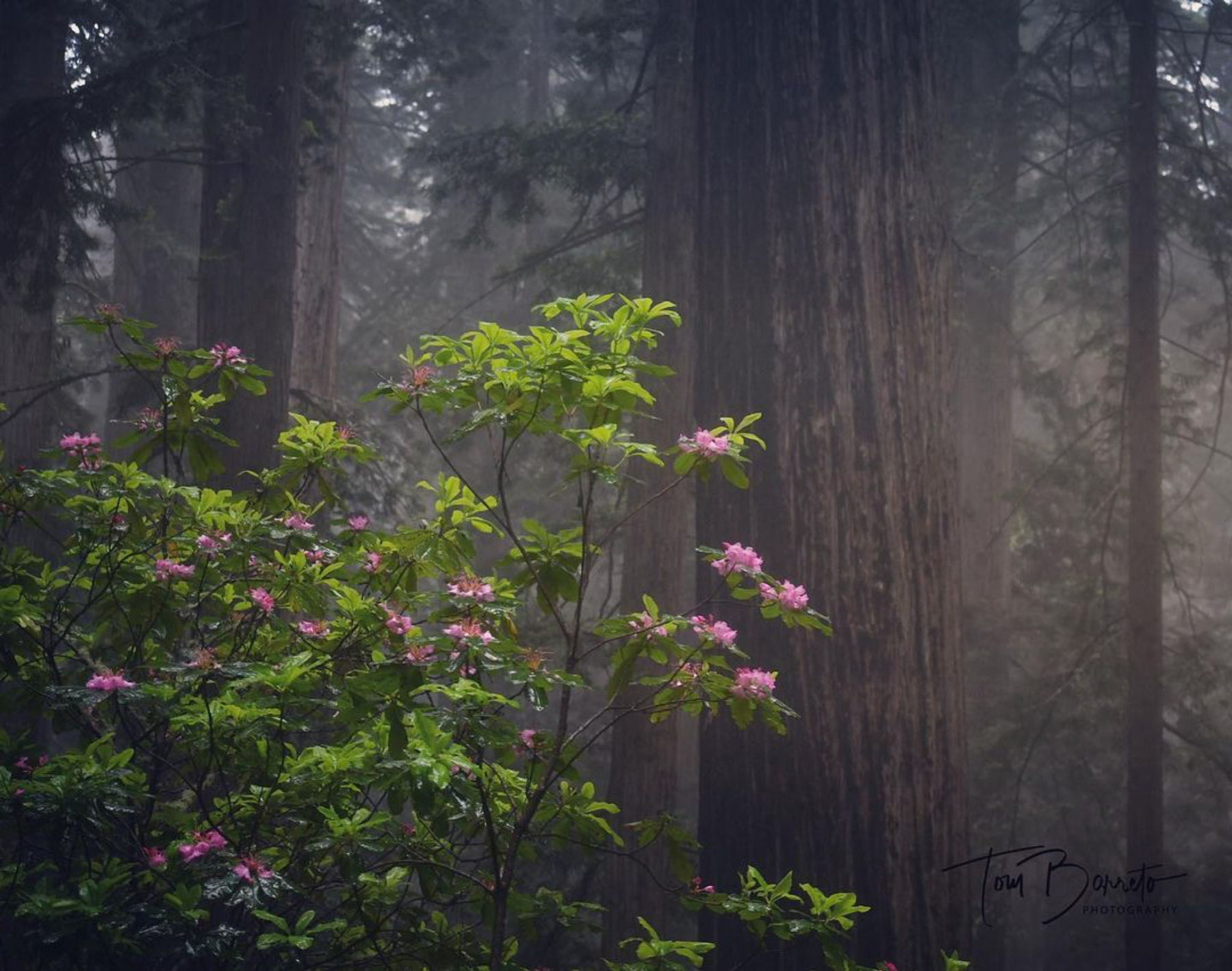
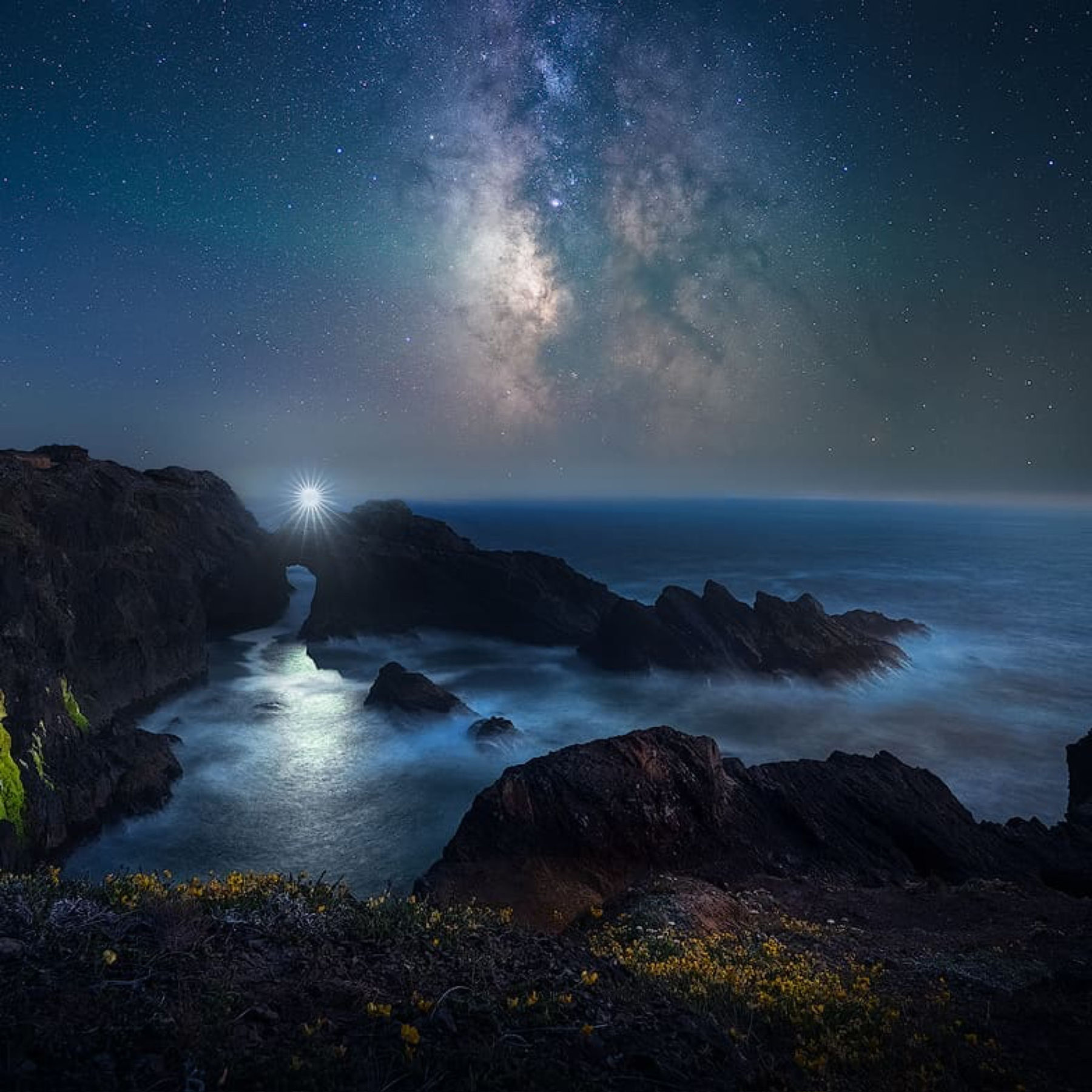
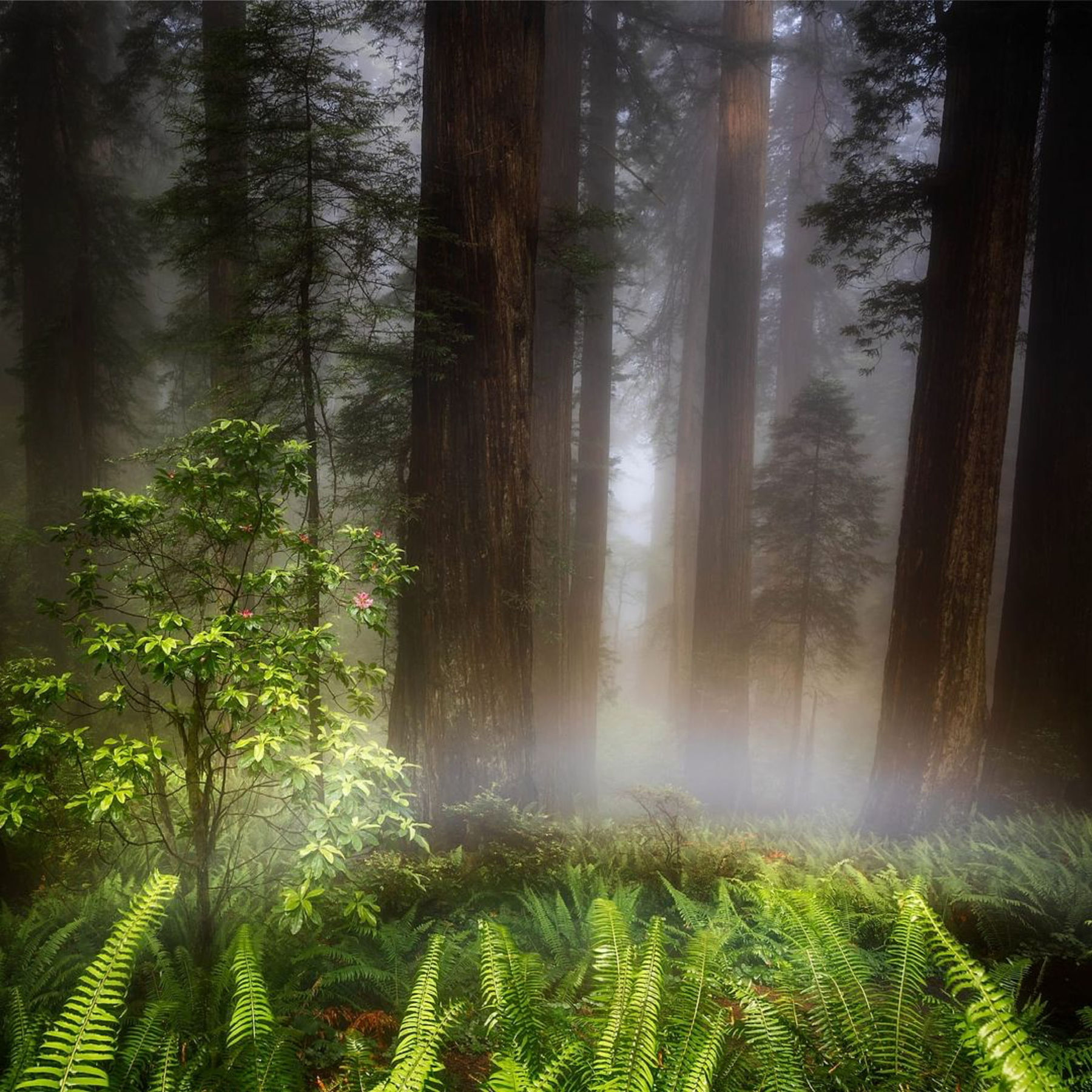
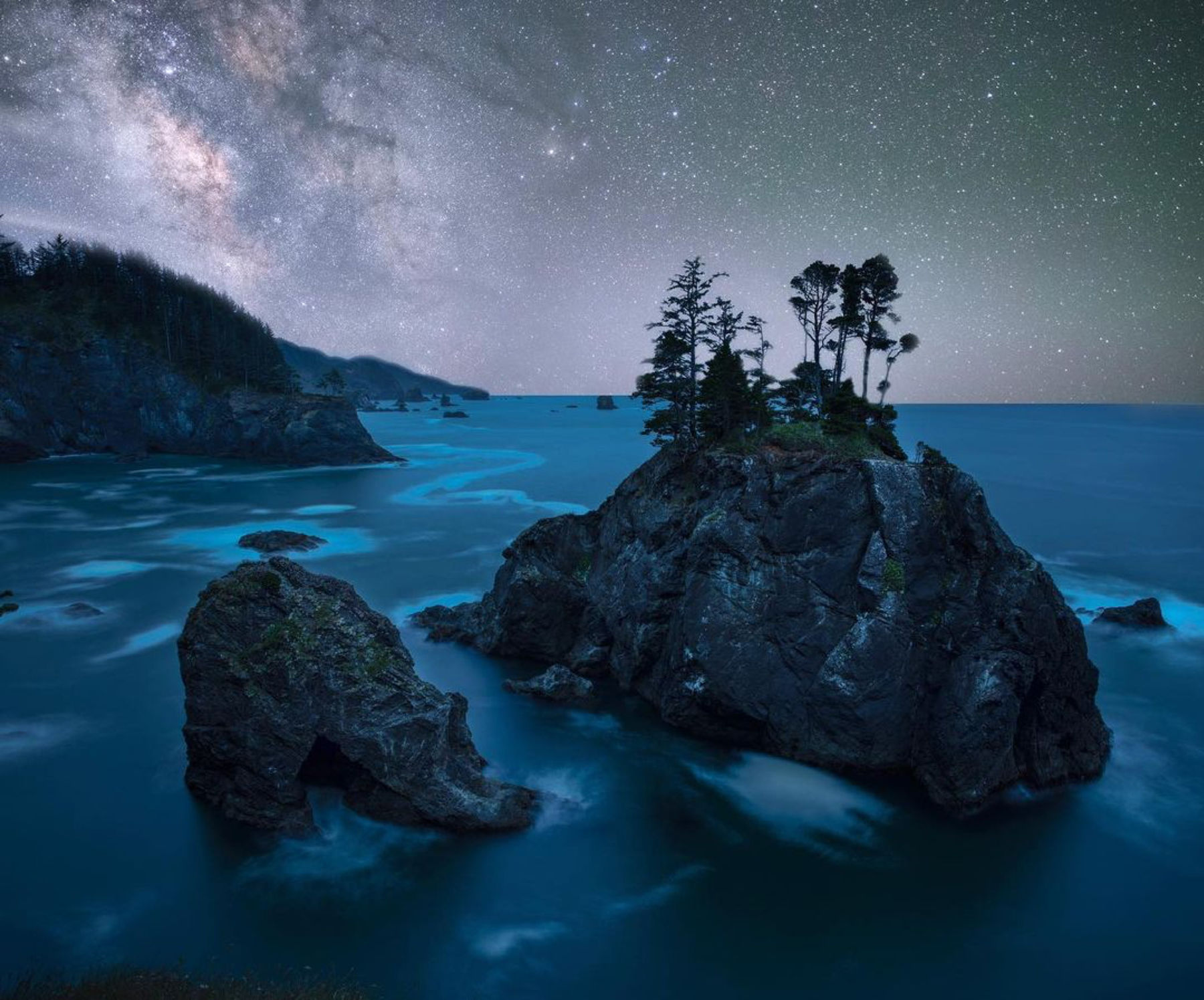
“Not only did I take some of the best photos of my life, I learned how to scout locations, identify compositions and professionally edit.”
“The only thing I regretted was when it was over, having to go back home.”
How we photograph Oregon
We Have an Itinerary. Oregon Has the Final Say.
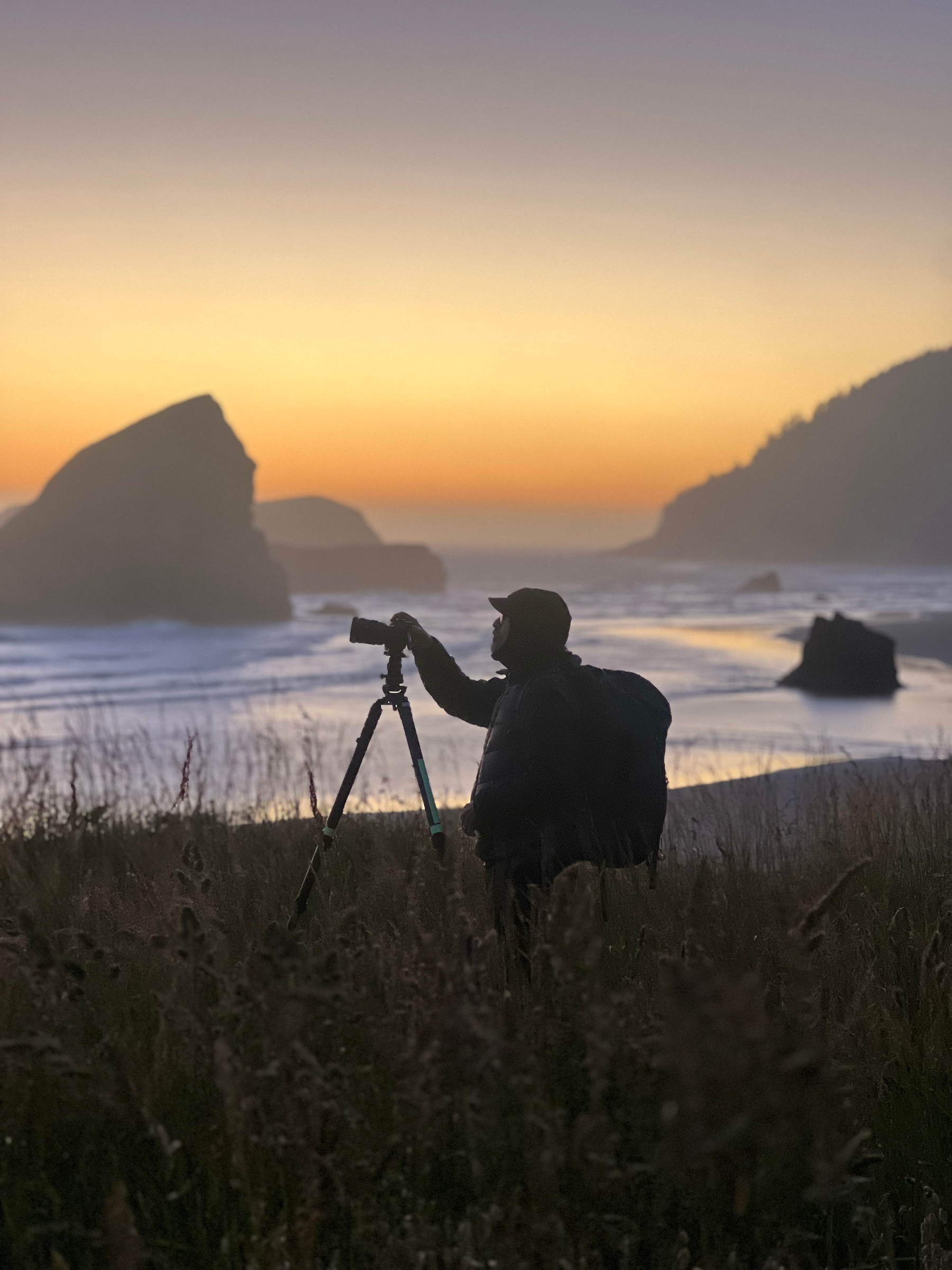
We have a plan. I teach you to read what the conditions are offering.
Fog may draw us into the redwoods. A falling tide can reveal new foregrounds. Clear skies may open a window for the Milky Way. We adapt the itinerary to the light, weather and tide rather than force a photograph that isn’t there.
I’ll help you recognize when to work a scene, adjust your approach or follow the conditions somewhere better.
Five days in Oregon
Five Days. A Different World Around Every Turn.
Day 01
Into the Coast
The workshop begins where Oregon makes its first impression: at the edge of the Pacific.
After getting settled in Brookings, we head straight for the coast and our first evening among secluded beaches and towering sea stacks. This is our first chance to slow down, read the scene and start finding compositions as the light changes around us.
Day 02
Into the Giants
Morning fog can turn the redwoods into another planet. When it appears, we follow it.
We work among ancient trees, rhododendrons and layers of atmosphere, then let the afternoon pull us back toward the Pacific. The day finishes high above the coast, looking across a natural arch and rugged shoreline as evening light moves across the scene.
Day 03
Between the Tides
As the Pacific pulls back, an entire landscape appears beneath our feet.
This is where the grand coast becomes intimate. Starfish, anemones, reflections and tide pools become foregrounds beneath sea stacks as we work toward sunset. And if the clouds disappear, we’re not necessarily finished when the sun goes down.
Day 04
Above the Pacific
By now, you’ve seen Oregon from the beach, beneath the forest and between the tides. Now we change the perspective.
We head for a coastal cliff overlooking offshore sea stacks, working with longer lenses, layers, atmosphere and changing evening light from above the Pacific. If Oregon gives us another clear night, we keep going.
Day 05
Bring It Home
The fieldwork ends. The photographs don’t.
The final morning gives us space to slow down, look back through what we’ve made, answer lingering questions and prepare for the journey home. The deeper editing work continues afterward in the recorded post-workshop session.
Field to finish
I Teach the Whole Photograph.
See the photograph before you make it.
I’ll show you how to slow down, study the relationships in a scene and find a visual path before setting up the camera. You’ll practice a repeatable way to assess a location and build a composition with intention.
Instead of guessing where to place the tripod, you’ll have a reason for every choice in the frame.Be Ready Before Oregon Is.
I work with you to establish a composition and prepare before the light changes. That gives you time to refine the frame, solve problems and understand how your settings support the photograph.
When fog moves through the redwoods, light breaks across the coast or the night sky opens, you’ll be ready to respond. I’ll explain the decisions as we make them, so you can apply the same thinking at the next location.
Finish What You Saw.
During the workshop, I teach you to take a RAW file through a considered edit: shaping light, controlling tone and color, building depth and strengthening the visual path through the frame.
You’ll understand the choices behind the finished photograph, not just the steps in a preset.After you’ve had time to work on more images at home, I meet with the group for a recorded post-workshop Zoom to answer new questions and work through editing challenges.
Learn to make the photograph, then understand how to finish it.
Built into the experience
Five Days in Oregon. Everything Around Them Has a Purpose.
Five days of field instruction, photographing the coast and redwoods while learning to adapt to light, weather and tides.
No more than six photographers, so I can give you individual guidance in the field and during editing.
Four nights of single-occupancy lodging, giving you a private room to recharge between field sessions.
Four weather-dependent night opportunities, with the location and timing guided by skies, tides and conditions.
Editing instruction during the workshop, applying field decisions to photographs while the experience is fresh.
A recorded post-workshop Zoom, where I answer questions after you’ve had time to work on more images at home.
You arrive prepared, work through the photographs with me, then reconnect after the trip to keep learning.
Three More Days. The Coast Has More to Show You.
Optional 3-Day Oregon Coast Add-On
Already making the trip to Oregon for the June workshop? Arrive three days earlier to photograph a different stretch of coast, from Thor’s Well and coastal lighthouses to Bandon’s sea stacks. The extension adds three focused days of changing tides, coastal light and new compositions before the main workshop begins.
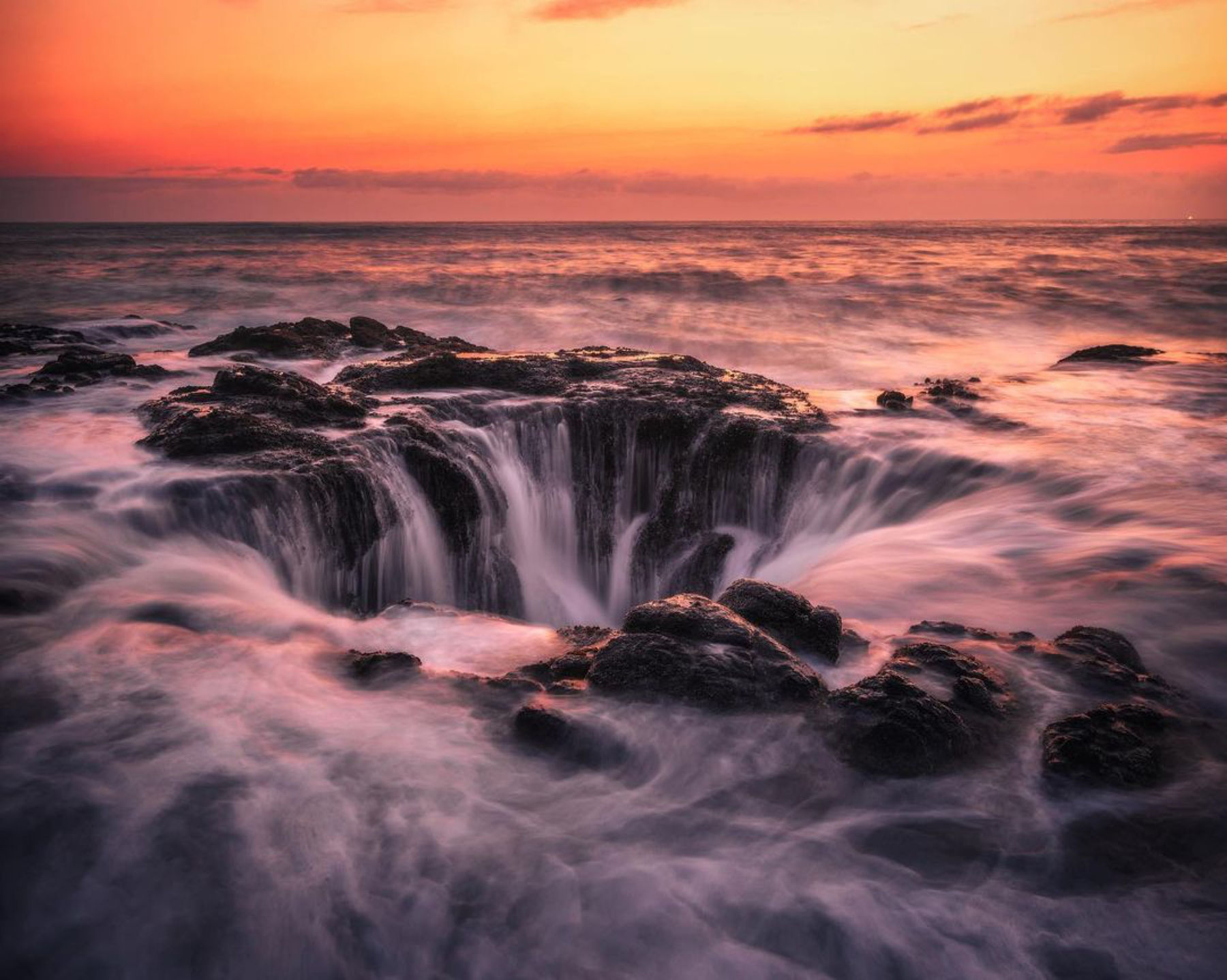
Where the Pacific Drains Into the Earth
We photograph Thor’s Well through sunset and blue hour, when the tide, timing and fading light come together and the Pacific seems to disappear into the earth. This is one of those scenes where simply showing up isn’t enough. Everything has to line up.
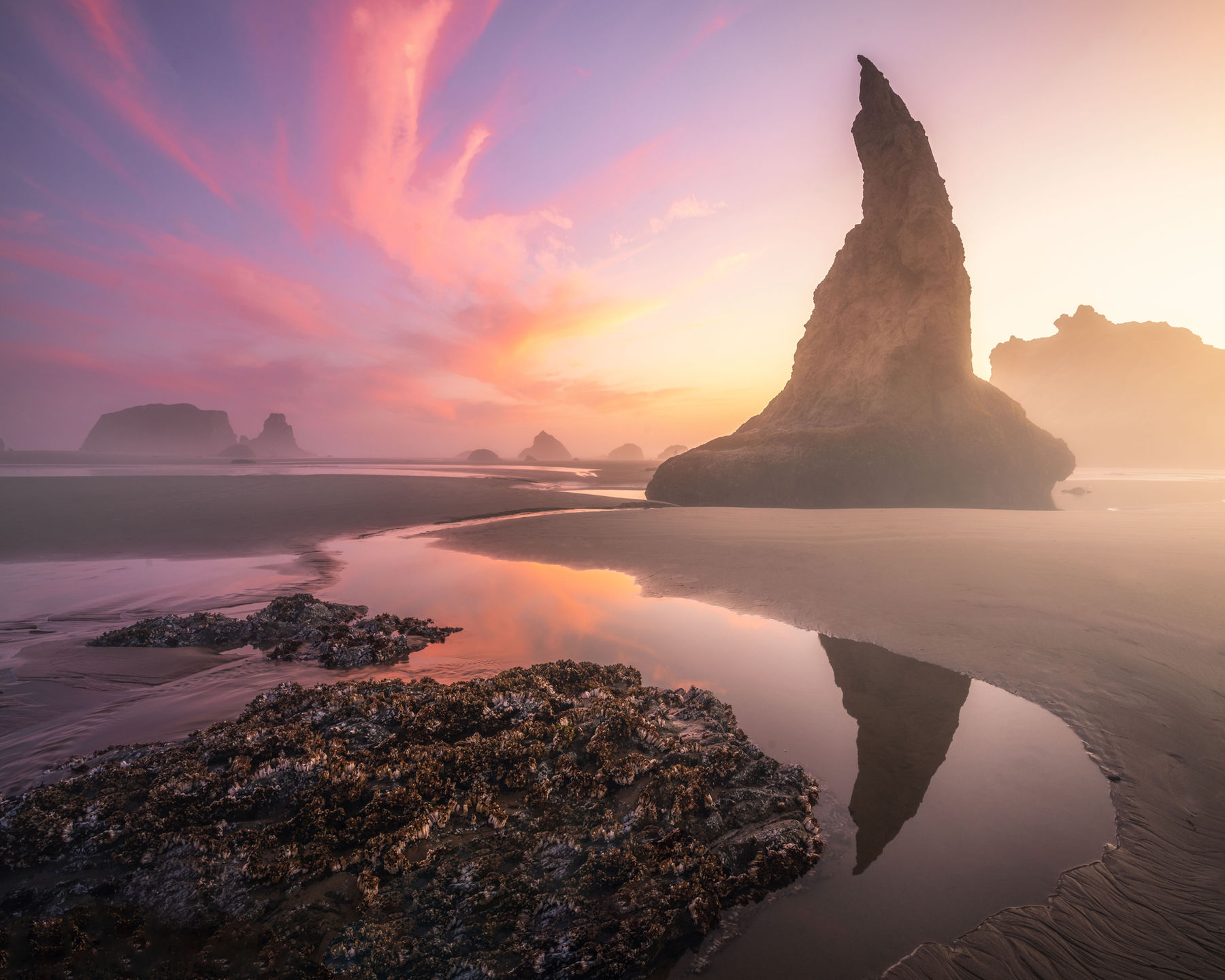
Lighthouse to Sea Stacks
We begin the morning photographing a lighthouse above the Pacific, then follow the coast south toward Bandon.
By evening, towering sea stacks take over the horizon. We photograph through sunset and blue hour, then stay with the coast as darkness falls and the stars come out.
One Last Morning on the Coast
We wake up in Bandon for one final morning along the coast, photographing the lighthouse as the day begins. Then we continue south toward Brookings, where the coast gives way to redwoods, tide pools and the next set of worlds waiting to be photographed.
Everyone will need their own vehicle for the add-on.
The extension moves south along the Oregon Coast, finishing in Brookings for the start of the main workshop.
Lodging is not included with the add-on.
Once the add-on group is finalized, Ryan will send recommended lodging for each overnight stop so everyone can stay in the same area and keep the route simple.
May 30–June 1, 2027$1,199
Add the 3-Day Oregon Coast ExtensionAvailable exclusively to photographers joining the June 2–6 Oregon Coast & Redwoods Workshop.
Plan your Oregon trip
Everything You Need to Get Here Without Guessing.
Brookings, Oregon
June 2–6, 2027
Medford is the recommended airport.
Brookings is about a 2 hour 35 minute drive from Medford.
Portland is also possible, but it’s a much longer drive at roughly 6 hours to Brookings.
Plan to arrive in Brookings by 3:00 PM on June 2.
We’ll use the afternoon to get settled, meet everyone and go over the workshop before heading out for our first shoot around 5:30–6:00 PM.
Single-occupancy lodging is included.
You’ll have your own room for the workshop.
Transportation to Brookings and during the workshop is not included.
You’ll receive the meeting locations and everything you need to plan your rental car before arrival.
Meals are not included.
Brookings has grocery stores, restaurants and plenty of options for meals during the workshop.
Most locations require only short walks, typically a half mile or less each way.
One location involves a longer hike of up to one mile each way, roughly two miles round trip, with some sand, rocks, uneven terrain and steeper sections.
We will photograph the stars and Milky Way during the workshop.
That includes opportunities to photograph the night sky above the Oregon Coast.
Why Oregon?
The Oregon Coast rearranged my life.
I came here burned out from seventy- and eighty-hour weeks in real estate with a camera and a place that had been sitting on my bucket list for years. Three weeks later, I drove home knowing I wanted to build my life around photography.
It wasn’t one photograph that did it. It was how quickly this place kept becoming something else. Sea stacks beneath the stars. Bioluminescence lighting up the Pacific. Tide pools full of life. Then fog rolling through giant redwoods the next morning. Every time I thought Oregon had shown me what it was, another world appeared.
I’ve been coming back ever since.
Read the story →Complete student gallery
Made here. By photographers who came to learn.
Questions before you book
Everything You’re Probably Wondering Before Oregon.
01Is this workshop right for my skill level?+
Yes. You should be comfortable with the basic operation of your camera, but you do not need to arrive with advanced landscape or night photography skills. Composition, field technique and editing are all major parts of what we work on together.
02What if the weather doesn’t cooperate?+
There is no single version of “good weather” in Oregon. Fog may send us into the redwoods. Broken clouds can transform the coast. Clear skies open the door to the Milky Way. We have an itinerary, but Oregon has the final say.
03How difficult is the hiking?+
Most locations involve short walks, typically a half mile or less each way. One location has a longer hike of up to one mile each way, roughly two miles round trip. Expect sand, rocks, uneven terrain and some steeper sections.
04What camera gear do I need?+
You’ll receive a detailed gear list before the workshop. A wide-angle lens is useful, but Oregon rewards everything from ultra-wide compositions to longer-lens landscapes in the redwoods and along the coast. Filters and night-photography gear will also be covered before the trip.
05Do I need experience photographing the Milky Way?+
No. We’ll work through the entire process in the field, from focusing and exposure through composition and capture.
06Are we really shooting the Milky Way?+
Yes. Stars and Milky Way photography are part of the workshop. The exact night and location will be determined by the conditions we have during the trip.
07What happens if the itinerary changes?+
That is part of the plan. We know the photographs we’re targeting, but fog, tide, weather and light determine when we pursue them.
08Do I get my own room?+
Yes. Single-occupancy lodging is included, so you’ll have your own room during the workshop.
09Do I need a rental car?+
Yes. Transportation to Brookings and during the workshop is not included. Medford is the recommended airport and Brookings is roughly a 2 hour 35 minute drive away.
10What about food?+
Meals are not included. Brookings has grocery stores, restaurants and plenty of options for meals during the workshop.
11When do I need to be in Brookings?+
Plan to arrive by 3:00 PM on June 2. We’ll use the afternoon to get settled, meet everyone and go over the workshop before leaving for our first shoot around 5:30–6:00 PM.
12Does the learning end when the workshop does?+
No. We edit during the workshop so you leave with finished photographs, then meet again for a recorded post-workshop Zoom after you’ve had time to work through more images and find new questions.
June 2–6, 2027
Five Days. Different Worlds. Your Turn.
You’ve seen what Oregon can be. Come see what you make of it.
6 photographers · Brookings, Oregon · Single-occupancy lodging included
Five days of field instruction across coast, redwoods, tide pools and night photography. The $2,999 price includes four nights of private-room lodging, editing instruction, pre-trip preparation and a recorded post-workshop Zoom with Ryan.
$2,9992027 workshop status · 6 spots available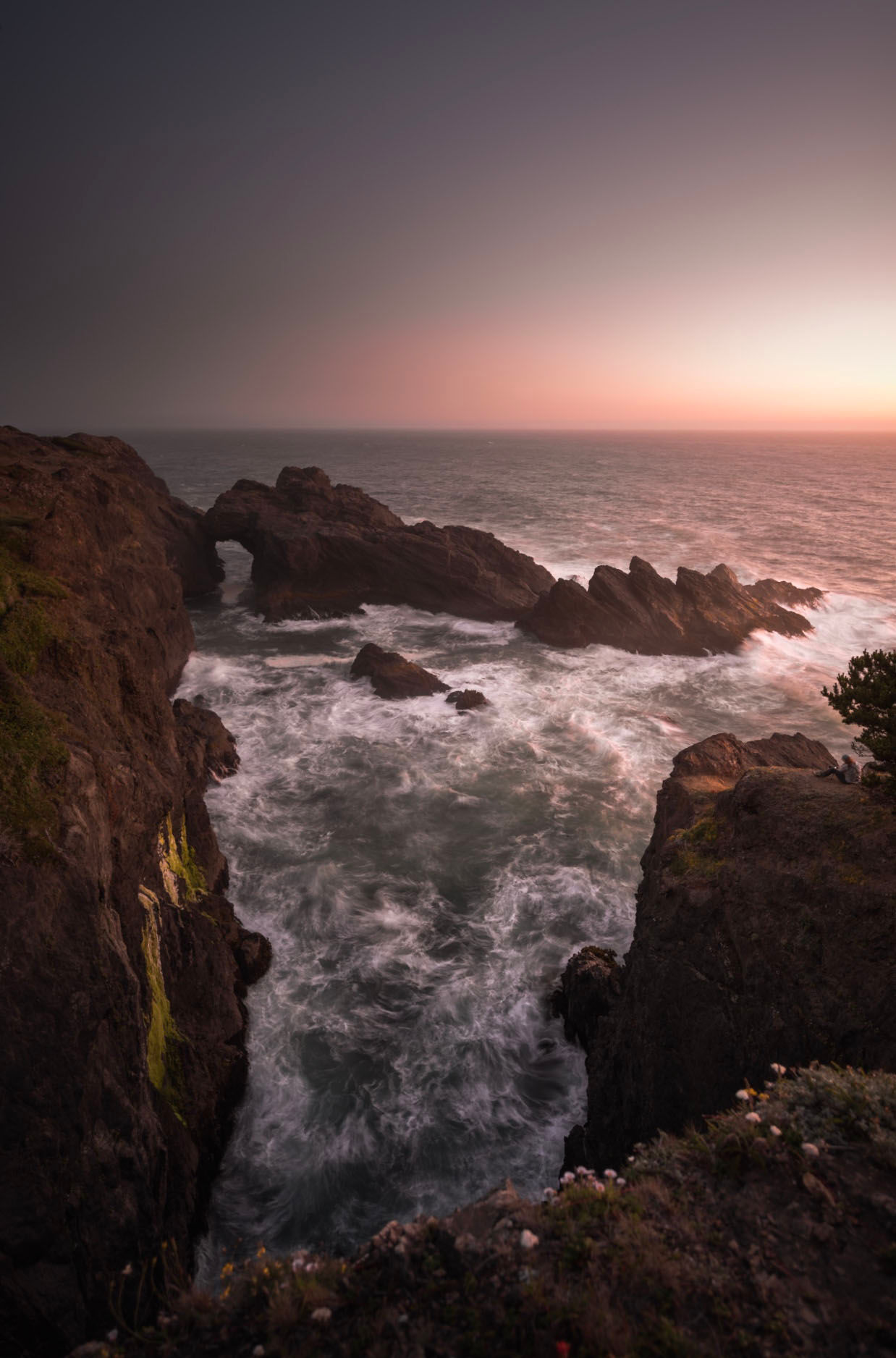
June 2–6, 2027
Be in the Right Place When Oregon Comes Alive.
Five days. Different worlds. Six photographers.
$2,999Single-occupancy lodging includedReserve Your Oregon Workshop